






What's Happening?
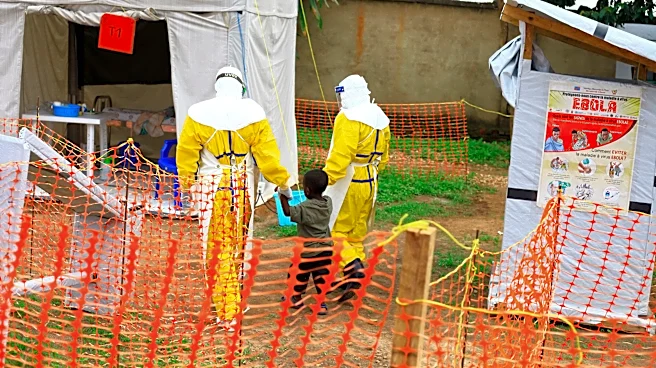
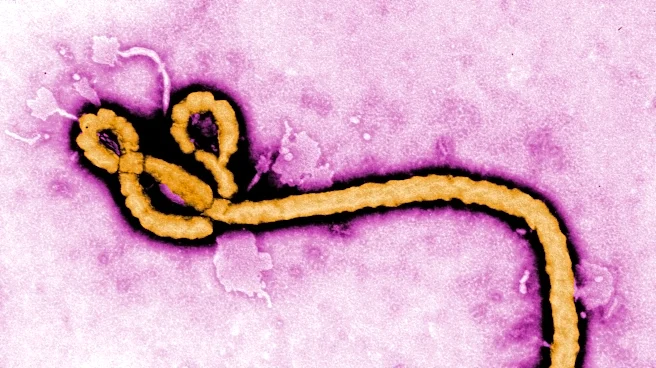
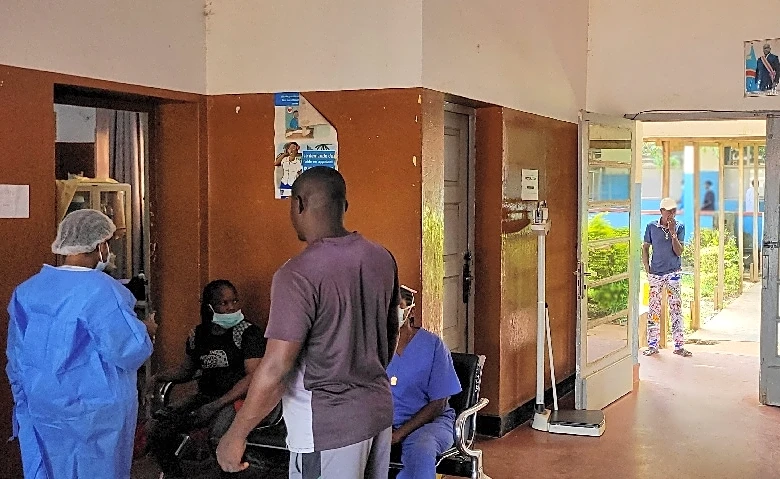
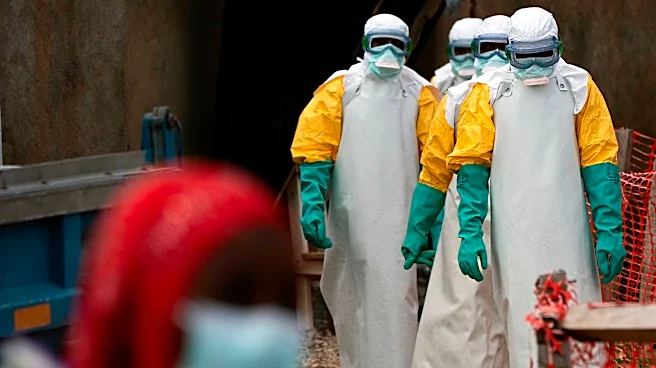
The United States has issued a travel advisory for the Ituri province in the Democratic Republic of the Congo due to a deadly Ebola outbreak. The outbreak has resulted in at least 80 deaths, with the Bundibugyo strain of Ebola confirmed in the region.
This strain is less common and existing vaccines and treatments are less effective against it. The outbreak has prompted regional containment efforts, and there is a heightened risk of cross-border transmission, as evidenced by a confirmed case in Uganda. The U.S. Embassy has advised against travel to the affected areas and recommended that travelers monitor their health for 21 days upon returning.
Why It's Important?
The Ebola outbreak poses a significant public health risk, not only to the Democratic Republic of the Congo but also to neighboring countries like Uganda. The U.S. travel advisory highlights the potential for international spread, which could have broader implications for global health security. The outbreak underscores the challenges of containing infectious diseases in regions with limited healthcare infrastructure and ongoing security issues. The situation also raises concerns about the effectiveness of current vaccines and treatments against less common strains of Ebola, emphasizing the need for continued research and development in this area.
What's Next?
Health agencies, including the World Health Organization and the Africa CDC, are actively working to contain the outbreak through measures such as contact tracing, safe burials, and community engagement. The next few weeks are critical in determining whether the outbreak can be stabilized. The U.S. and international health organizations may need to increase support for affected regions to prevent further spread. Travelers are advised to stay informed about the situation and adhere to health advisories.