




What's Happening?
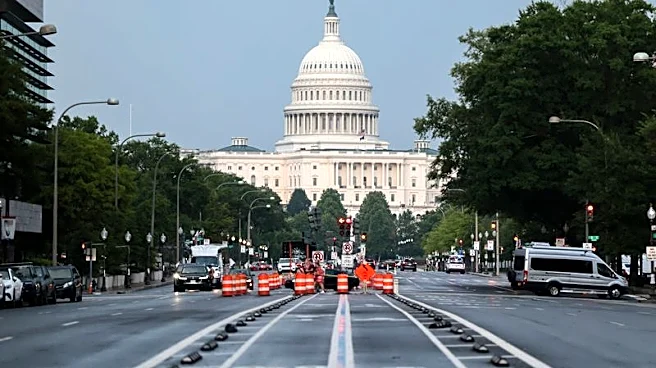
The U.S. House of Representatives has passed sweeping sanctions legislation targeting Iran, with a vote of 262-159. This follows the Senate's earlier approval of the bill by 86-11. The legislation grants the President authority to impose tariffs of up
to 100% on major purchasers of Russian oil and natural gas, and to sanction senior Russian officials, oligarchs, banks, and financial institutions. At President Trump's request, the measure was expanded to include sanctions on Iran's energy and weapons sectors. The passage of this bill coincides with indications that Washington and Tehran might be exploring avenues to end the ongoing conflict. President Trump stated that he hopes the war is nearing its conclusion and that Iran is seeking a deal. He is expected to meet with leaders from six Persian Gulf states on the sidelines of the UN General Assembly to discuss the next phase of the war and U.S. proposals for a postwar strategy. Concurrently, China has intensified its diplomatic efforts, with its Foreign Minister urging restraint and a return to substantive consultations between Iran and the U.S.
Why It's Important?
The passage of this sanctions bill is highly significant as it escalates economic pressure on Iran, potentially impacting its ability to fund its military and nuclear programs. By targeting Iran's energy and weapons sectors, the U.S. aims to curtail its revenue streams and influence its regional activities. This move also signals a continued hardline stance from the U.S. Congress, even as President Trump expresses openness to a diplomatic resolution. The dual approach of increased sanctions alongside diplomatic overtures creates a complex environment for de-escalation. For U.S. allies and adversaries, the legislation underscores the U.S.'s commitment to using economic tools to achieve foreign policy objectives. The bill's inclusion of sanctions on Russia further broadens its geopolitical impact, affecting global energy markets and international financial systems. The ongoing diplomatic efforts, particularly China's involvement, highlight the international community's concern over regional stability and the desire to prevent further escalation.
What's Next?
Following the House's passage, the sanctions bill is expected to be signed into law by the President. This will empower the President to implement the new tariffs and sanctions, which could lead to immediate economic consequences for Iran and its trading partners. President Trump's upcoming meetings with Persian Gulf leaders at the UN General Assembly will be crucial in shaping the U.S.'s postwar strategy and determining the next steps in the conflict. These discussions will likely explore regional security arrangements and potential pathways for de-escalation. Meanwhile, China's continued diplomatic engagement suggests a multilateral effort to encourage dialogue and restraint. The effectiveness of these sanctions in altering Iran's behavior and the success of diplomatic initiatives in achieving a peaceful resolution will be closely watched. The situation remains fluid, with potential for both increased pressure and renewed negotiations.
Beyond the Headlines
The U.S. sanctions bill and the concurrent diplomatic efforts reveal a multifaceted approach to international relations, blending economic coercion with strategic dialogue. This situation highlights the ethical dilemmas inherent in sanctions, which aim to pressure governments but can also impact civilian populations. The involvement of multiple international actors, such as China, underscores the interconnectedness of global security and the challenges of unilateral action in a multipolar world. The debate over whether to 'annihilate' or negotiate with the Iranian regime, as alluded to by President Trump, reflects a fundamental tension in foreign policy between military intervention and diplomatic engagement. This scenario could set precedents for how major powers address complex geopolitical challenges, balancing national interests with the imperative of regional stability and humanitarian concerns. The long-term implications could include shifts in global energy markets, reconfigurations of international alliances, and evolving norms around the use of economic sanctions as a foreign policy tool.