


What's Happening?
The U.S. military is employing artificial intelligence (AI) systems to assist in planning airstrikes in Iran, utilizing technology from data analytics company Palantir. This development has prompted calls from lawmakers for increased oversight and the
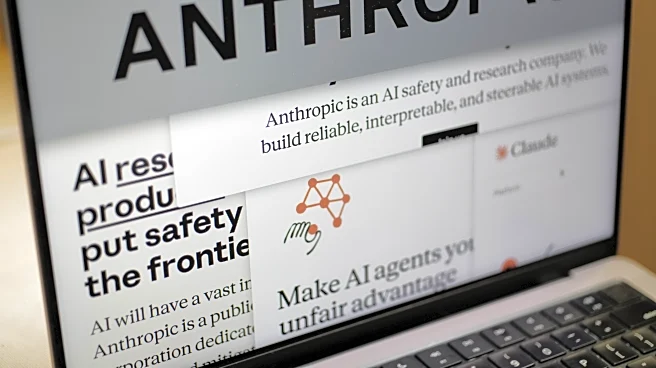
establishment of safeguards to ensure responsible use of AI in military operations. The AI systems, which include components from Anthropic's Claude AI, are designed to help identify potential targets more efficiently. Defense Secretary Pete Hegseth has been a proponent of integrating AI into combat operations, although this has led to tensions with AI companies over the extent of AI's use. Lawmakers, including Sen. Kirsten Gillibrand and Rep. Jill Tokuda, have expressed concerns about the potential for AI to make life-or-death decisions without adequate human oversight. The Pentagon maintains that human judgment remains central to military operations, but the reliance on AI for rapid data processing raises questions about the balance between technological efficiency and human control.
Why It's Important?
The integration of AI into military operations represents a significant shift in how the U.S. conducts warfare, potentially increasing the speed and precision of military actions. However, this also raises ethical and operational concerns about the extent to which AI can be trusted in critical decision-making processes. The potential for AI to operate autonomously without human intervention poses risks, particularly if errors occur in target identification. Lawmakers are concerned about the lack of transparency and the need for clear guidelines to prevent misuse. The debate highlights the broader implications of AI in national security, where the balance between technological advancement and ethical responsibility must be carefully managed. The outcome of this debate could influence future military strategies and the development of international norms regarding AI in warfare.
What's Next?
As the military continues to integrate AI into its operations, there will likely be increased scrutiny from Congress and advocacy groups. Lawmakers may push for legislation to establish clear guidelines and oversight mechanisms to ensure AI is used responsibly. The Defense Department may also face pressure to demonstrate how it maintains human oversight in AI-assisted operations. Additionally, ongoing legal and ethical discussions could shape the future role of AI in military contexts, potentially influencing international policies on autonomous weapons and AI governance. The outcome of these discussions will be crucial in determining how AI is utilized in future military engagements.
Beyond the Headlines
The use of AI in military operations raises broader ethical questions about accountability and the potential for AI to be used as a scapegoat for operational errors. The speed and efficiency offered by AI could lead to a reliance on technology that diminishes human accountability in decision-making processes. This development also reflects a growing trend towards the militarization of AI, which could have long-term implications for global security dynamics. As AI technology continues to evolve, there will be a need for ongoing dialogue about the ethical and legal frameworks that govern its use in military and civilian contexts.