







What's Happening?
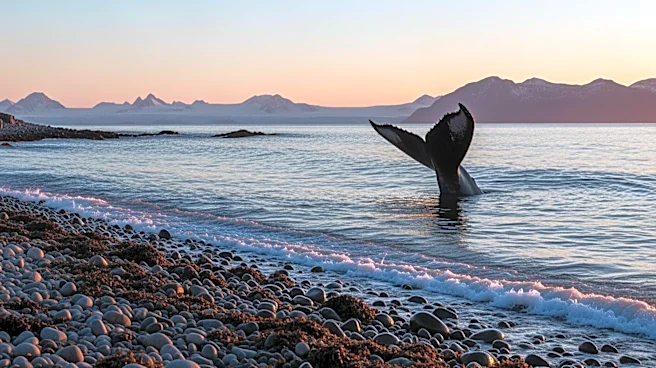
A record number of dead gray whales have been found along the Pacific Northwest coast, with 16 strandings in Washington and several in Oregon. Researchers attribute this to a collapsing Arctic food chain and worsening ocean conditions. The whales are
arriving with depleted fat reserves, unable to complete their migration from Baja to the Arctic. The National Oceanic and Atmospheric Administration (NOAA) and Oregon State University are investigating the impact of climate change on the whales' feeding grounds, linking the strandings to warming waters and disrupted ecosystems.
Why It's Important?
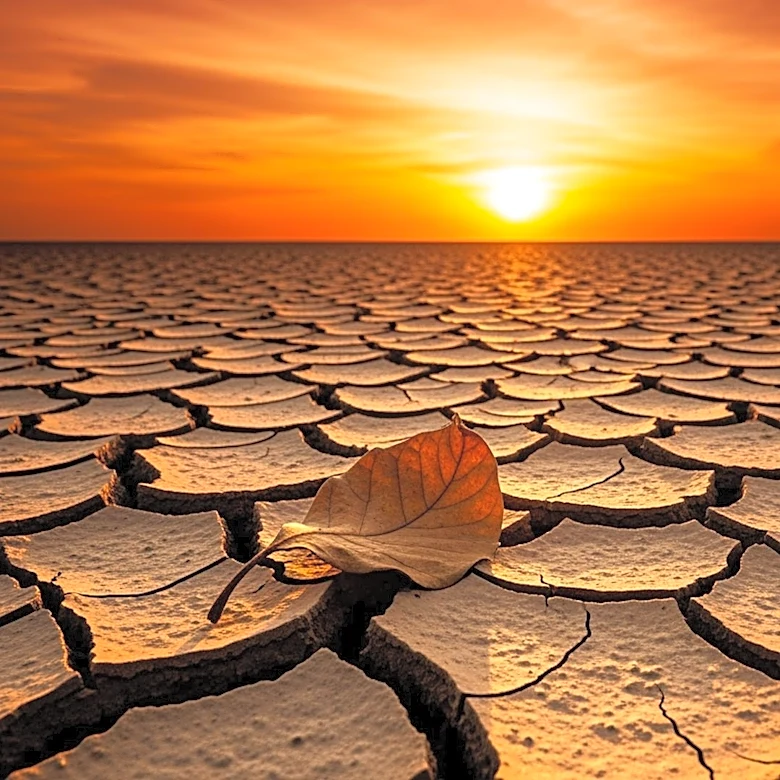
The increase in whale strandings highlights the broader impact of climate change on marine ecosystems. As Arctic ice melts, the food web supporting gray whales is destabilized, threatening their survival. This situation underscores the urgent need for climate action to protect vulnerable species and maintain biodiversity. The strandings also raise concerns about the health of marine environments and the potential for similar events affecting other species. Addressing these challenges requires coordinated efforts to mitigate climate change and preserve critical habitats.