








What's Happening?
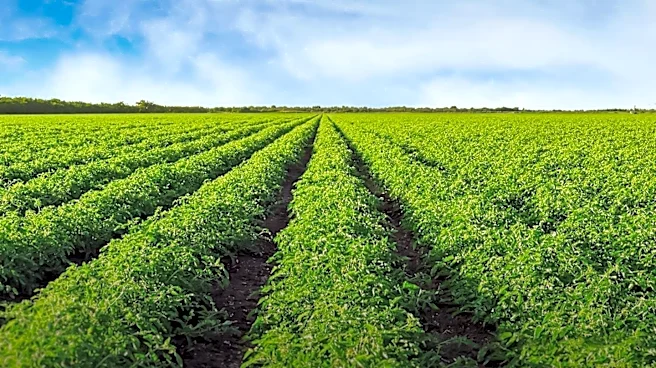
Montgomery County, Maryland, is experiencing a surge in agritourism, with local farms becoming popular destinations for city dwellers seeking rural experiences. The county's Agricultural Reserve, established in 1980, protects approximately 93,000 acres
of farmland, preventing urban development and preserving agricultural heritage. This initiative allows residents and visitors to engage with agriculture through activities like berry picking, cider tasting, and farm festivals. Farms such as Butler's Orchard and Comus Farm have diversified their offerings, providing experiences that range from interacting with farm animals to hosting events. The trend has been bolstered by a growing public interest in agritourism, especially since the COVID-19 pandemic, as people seek to reconnect with nature and escape urban life.
Why It's Important?
The rise of agritourism in Montgomery County is significant for several reasons. Economically, it provides a vital revenue stream for local farms, helping them remain viable amidst changing agricultural landscapes. The county's efforts to preserve farmland through the Agricultural Reserve have not only protected the area's farming heritage but also fostered a sustainable model for rural tourism. This trend supports local economies by increasing sales in farm-produced goods, such as cider and wine, and by attracting visitors from the broader D.C. region. Socially, agritourism offers urban residents a chance to experience rural life, promoting a greater appreciation for agriculture and its role in food production.
What's Next?
Montgomery County plans to continue promoting agritourism through events like the annual Farm Tour, which showcases local agriculture and offers various farm experiences. As interest in agritourism grows, more farms may join the initiative, further diversifying their offerings to attract visitors. The county's strategy of preserving farmland while encouraging public engagement with agriculture could serve as a model for other regions looking to balance development with heritage conservation. Additionally, the economic impact of agritourism is expected to increase, with more farms potentially expanding into alcohol production and other value-added products.
Beyond the Headlines
The agritourism boom in Montgomery County highlights broader cultural and environmental implications. Culturally, it reflects a shift towards valuing local, authentic experiences over mass tourism. Environmentally, the preservation of farmland contributes to biodiversity and sustainable land use, countering the pressures of urban sprawl. The success of agritourism in the county may inspire similar initiatives elsewhere, promoting a nationwide trend of integrating tourism with agricultural preservation. This approach not only supports local economies but also fosters a deeper connection between people and the land, encouraging sustainable practices and environmental stewardship.