





What's Happening?
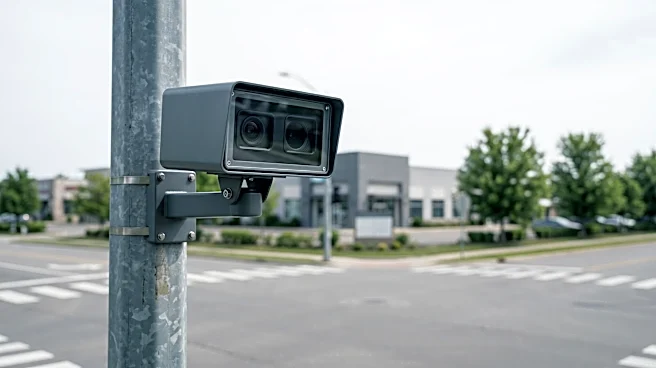
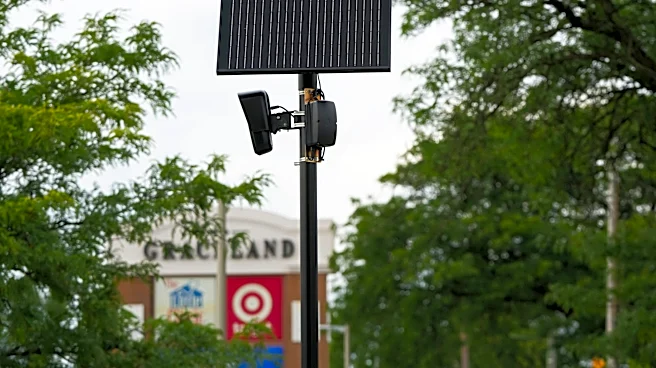
A grand jury in Ohio has refused to bring felony charges against Cody Morelock, a Clermont County man accused of destroying a Flock automatic license plate reader (ALPR) camera. In June, police in Union Township, a Cincinnati suburb, arrested Morelock, alleging
he removed bolts from an ALPR pole, causing it to topple and destroy the surveillance camera and its solar panel. Despite what prosecutors considered 'iron-clad' evidence, including surveillance footage from multiple nearby cameras, credit card information, and a customer rewards account, the grand jury declined to indict Morelock. Consequently, all charges against him have been dropped.
Why It's Important?
This decision by the grand jury is a significant development, as grand juries typically indict in the vast majority of cases. It reflects a potential public sentiment against ALPR technology, which has faced widespread criticism across the political spectrum due to privacy concerns and surveillance implications. The outcome suggests that public disapproval of Flock cameras may be influencing legal proceedings, moving beyond social media discussions into real-world judicial decisions. For law enforcement and companies like Flock, this case highlights the challenges in prosecuting vandalism against surveillance infrastructure when there is significant public opposition. It could embolden others who object to ALPRs and potentially lead to more instances of vandalism or legal challenges against their deployment.
What's Next?
The dropping of charges against Cody Morelock could set a precedent or at least signal a reluctance by grand juries to indict individuals accused of damaging ALPRs, especially in communities where these cameras are unpopular. This might lead to increased scrutiny of ALPR deployments and potentially more organized resistance from civil liberties groups and local communities. Law enforcement agencies and Flock Safety may need to re-evaluate their strategies for deploying and protecting these devices, as well as their public relations efforts to address privacy concerns. The incident could also prompt legislative discussions at local or state levels regarding the regulation and oversight of ALPR technology, balancing public safety needs with individual privacy rights.
Beyond the Headlines
This case delves into the deeper societal tension between public safety and privacy in the age of pervasive surveillance technology. ALPRs, while touted by law enforcement as tools for crime prevention and apprehension, are often viewed by the public as intrusive and a step towards a surveillance state. The grand jury's decision, despite clear evidence, suggests a form of 'jury nullification' where the community's values override strict legal interpretation. This phenomenon can reflect a broader erosion of trust in government surveillance programs and a growing demand for accountability and transparency in how such technologies are used. The incident underscores the ethical and legal complexities surrounding automated surveillance and the ongoing debate about where to draw the line between security and civil liberties in a democratic society.