



What's Happening?
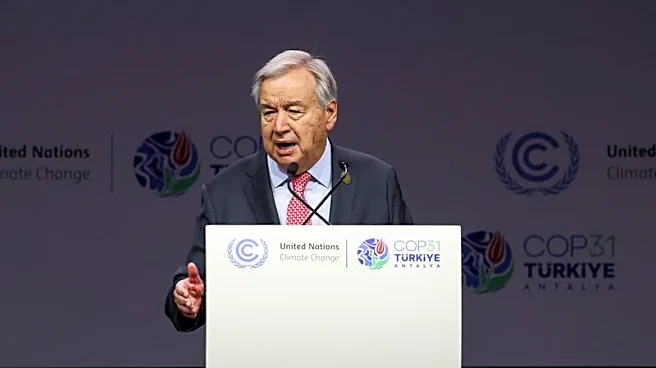
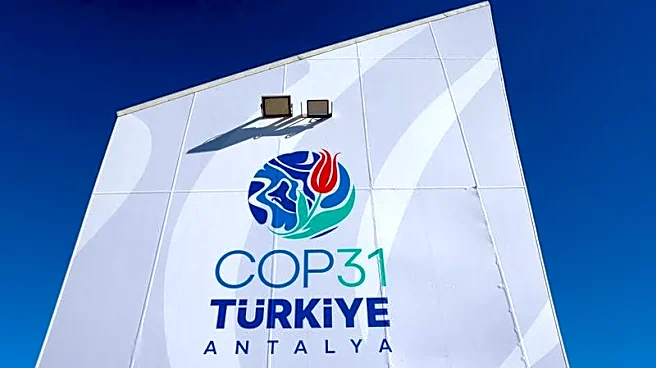
UN Secretary-General António Guterres has called for a new global 'climate justice compact' at COP31 in Antalya, urging governments to tax fossil fuel companies. This proposal aims to generate funds to assist countries disproportionately affected by climate change,
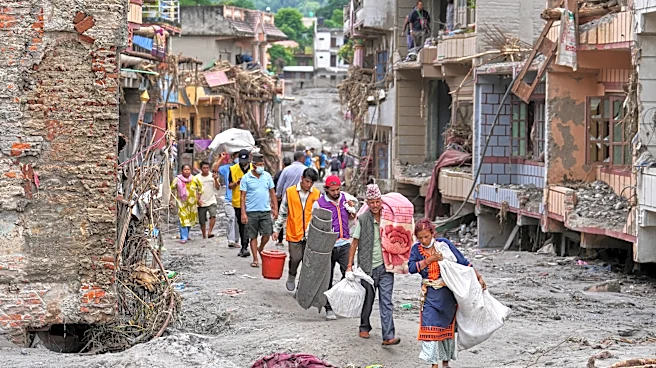
despite having contributed minimally to its causes. Guterres highlighted that even with current national plans, the planet is on track for over 2.5°C of warming by the century's end, exceeding the 1.5°C threshold. He emphasized that science demands a more vigorous fight against climate change, not surrender. The proposed compact focuses on four key priorities: accelerating the transition from fossil fuels, protecting vulnerable populations through early-warning systems and adaptation measures, delivering affordable climate finance, and strengthening international cooperation to overcome trade barriers and technological divides. Guterres criticized fossil fuel interests for delaying action and distorting science, noting the vast profits of oil companies compared to the limited funds available for climate-related loss and damage.
Why It's Important?
This call for a climate justice pact underscores a significant shift in the global approach to climate finance, directly targeting the fossil fuel industry as a source of funding for climate adaptation and mitigation in developing nations. If adopted, such a pact could fundamentally alter the economic landscape for energy companies and reallocate substantial financial resources towards climate-vulnerable countries. It highlights the growing international pressure on developed nations and major polluters to take greater responsibility for climate change impacts. The proposal also aims to address the inequity where developing countries are expected to transform their economies without adequate financial means, potentially fostering greater global cooperation and reducing geopolitical tensions related to climate responsibility. The emphasis on taxing windfall profits from fossil fuel companies could set a precedent for how industries contributing to environmental damage are held accountable.
What's Next?
The proposal for a climate justice pact will likely be a central point of discussion and negotiation among world leaders at COP31 and subsequent international climate forums. Governments will need to consider the feasibility and political will to implement taxes on fossil fuel companies, which could face significant lobbying efforts against such measures. The specifics of how such a tax would be structured, collected, and distributed will require extensive international agreement. Furthermore, the four priorities outlined in the compact will guide future climate policy discussions, potentially leading to new national plans for transitioning away from fossil fuels, enhanced adaptation measures, and revised climate finance commitments from wealthy nations. The UN Environment Programme (UNEP) is also being urged to develop a global standard for near-zero methane emissions from oil and gas, indicating a focus on immediate, impactful reductions in greenhouse gases.
Beyond the Headlines
The concept of a 'climate justice compact' extends beyond mere financial transfers; it embodies a deeper ethical and moral argument about historical responsibility and equity in the face of a global crisis. By advocating for polluters to pay, Guterres is challenging the traditional economic models that have allowed industries to externalize environmental costs. This could trigger broader legal and ethical debates about corporate accountability for climate change and potentially lead to new international legal frameworks. The pact also highlights the interconnectedness of climate action with social justice, economic development, and geopolitical stability. If successful, it could foster a new era of multilateralism where collective responsibility for global commons takes precedence over national economic interests, potentially reshaping international relations and global governance structures in the long term.