


What's Happening?
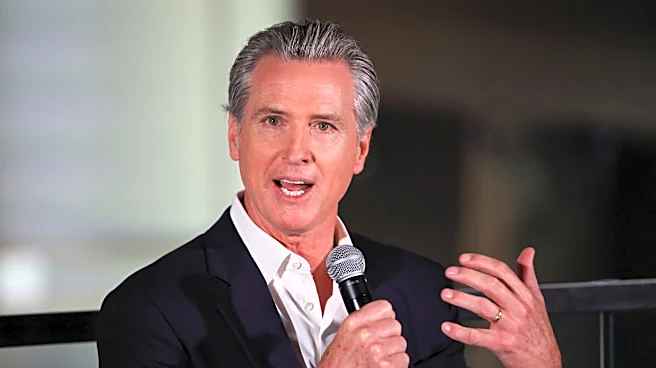
Governor Gavin Newsom has sent letters to the chief judges of California's four federal district courts, urging them to exercise caution regarding any potential requests from the Trump Administration for search warrants related to election materials.
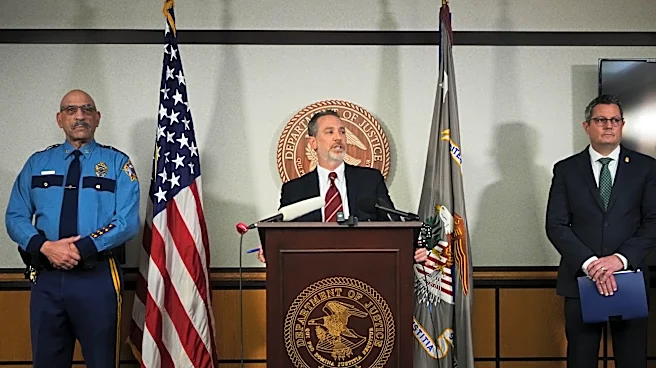
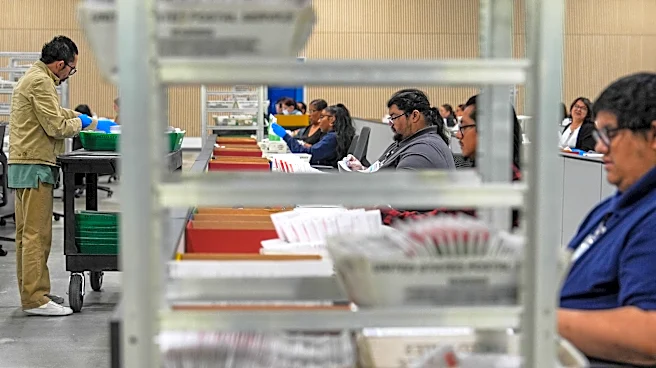
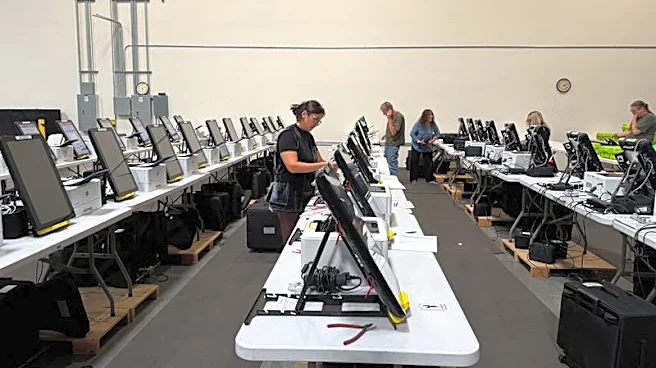
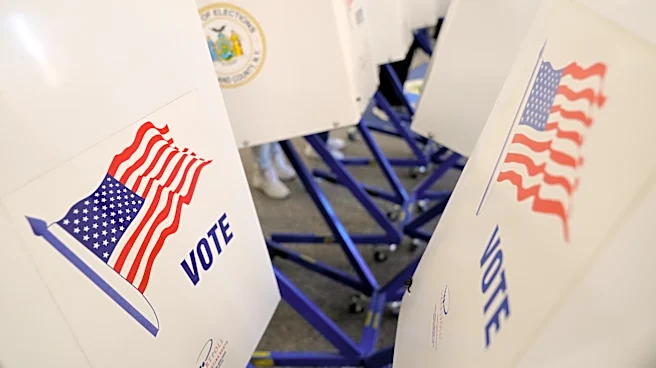
The governor's concern stems from recent actions by the Trump administration, which he states have escalated attacks on election officials and the electoral process, including threats of criminal prosecution for officials following federal and state law. Newsom specifically expressed 'grave concern' that federal agents might seek search warrants to seize ballots, election records, or certified voting technology while an election is underway and before results are certified. He highlighted instances where Acting Deputy Attorney General Trent McCotter warned state and local election officials of legal jeopardy and where Bilal Essayli, First Assistant United States Attorney for the Central District of California, allegedly threatened criminal prosecution against election officials processing ballots from individuals asserted to be non-citizens. Newsom emphasized that California's strict chain of custody laws for ballots ensure evidence preservation, making law enforcement seizures unnecessary and potentially disruptive to the lawful counting and certification of votes.
Why It's Important?
This development is significant as it underscores heightened tensions surrounding election integrity and the potential for federal intervention in state electoral processes. Governor Newsom's proactive warning to federal judges signals a deep concern within California's leadership about attempts to undermine the state's ability to conduct and certify elections independently. The implications extend to the broader principle of federalism, as a state governor is directly challenging potential overreach by the federal executive branch into state-managed elections. If federal agents were to seize election materials, it could disrupt vote counting, delay certification, and potentially disenfranchise voters, thereby eroding public trust in democratic institutions. The situation also highlights the politicization of legal processes, with Newsom suggesting the Department of Justice is being 'weaponized' for partisan ends. This could set a precedent for future elections, where federal agencies might be perceived as tools for political interference rather than impartial enforcers of law.
What's Next?
In the immediate future, the federal judges in California will likely consider Governor Newsom's letter as they evaluate any potential requests for search warrants related to election materials. The letter serves as a pre-emptive alert, encouraging judicial scrutiny of such applications. Election officials in California are expected to continue their duties, adhering to state and federal election laws, while remaining vigilant against any perceived federal interference. The Trump administration's Department of Justice may continue its investigations or issue further warnings to election officials, potentially escalating the legal and political standoff. Depending on the outcome of the election and any subsequent legal challenges, this issue could lead to further litigation or legislative efforts to clarify the boundaries of federal and state authority in election oversight. The situation also sets the stage for potential public discourse and protests regarding election integrity and governmental overreach.
Beyond the Headlines
Beyond the immediate political and legal skirmishes, this situation touches upon fundamental questions about the balance of power between federal and state governments, particularly concerning the administration of elections. The governor's actions reflect a growing concern about the erosion of democratic norms and the potential for executive power to be used to influence electoral outcomes. Ethically, the scenario raises questions about the impartiality of law enforcement agencies when they become entangled in highly politicized electoral disputes. Legally, it could lead to new interpretations or challenges to existing statutes governing federal jurisdiction over state election processes. Culturally, such events can deepen partisan divides and foster distrust in governmental institutions, regardless of the actual outcomes. The long-term shift could be a re-evaluation of the checks and balances designed to protect the integrity of the electoral system from partisan manipulation, potentially leading to calls for reforms in how federal agencies interact with state election bodies.