
What's Happening?
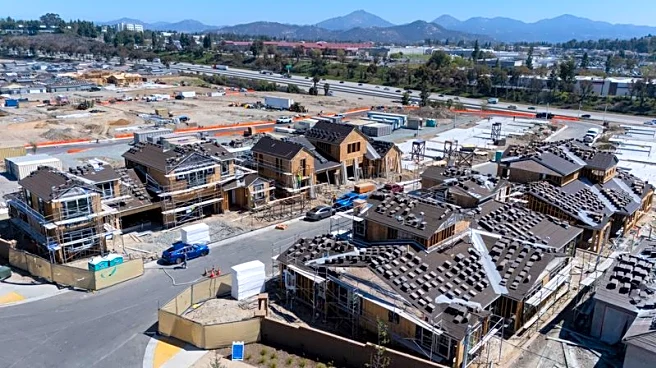
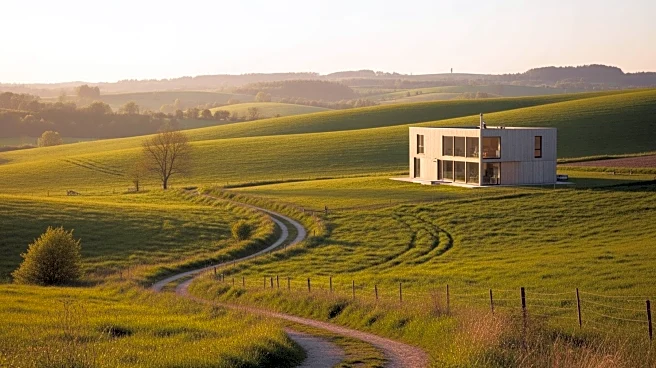
Rural housing markets in the U.S. are experiencing significant price increases, driven by new-resident incentives and the rise of remote work. According to a report from Realtor.com, the median existing-home
price in non-metro counties has increased by over 70% from November 2019 to November 2025, compared to a 30% increase in metro areas. This surge is attributed to a combination of factors, including elevated mortgage rates, high home prices, and stagnating wage growth. The post-pandemic interest rate environment has eroded purchasing power, with the typical household earning the national median income in 2025 only able to afford a home priced around $298,000, down from $325,000 in 2019. Additionally, rural areas have seen a net gain of 540,400 residents from 2021 to 2023, reversing a previous trend of population loss. This influx of wealthier out-of-towners has increased competition for limited housing stock, often pricing out local residents.
Why It's Important?
The rising demand for rural housing, fueled by remote work and municipal incentives, highlights a significant shift in the U.S. housing market. This trend has implications for local economies and communities, as it can lead to increased property values and tax revenues. However, it also poses challenges for existing residents who may be priced out of their local markets due to the influx of higher-income newcomers. The disparity in wages between rural and urban workers exacerbates this issue, as rural workers earn significantly less on average. The situation underscores the need for balanced development strategies that consider both the benefits of attracting new residents and the potential negative impacts on local communities.
What's Next?
As rural housing demand continues to grow, municipalities may expand or introduce new incentive programs to attract residents. These programs, while beneficial in stimulating local economies, could further strain housing availability and affordability for existing residents. Policymakers and community leaders will need to address these challenges by exploring solutions such as affordable housing initiatives and infrastructure improvements to support growing populations. Additionally, the ongoing trend of remote work may continue to influence migration patterns, potentially leading to further shifts in housing demand across different regions.
Beyond the Headlines
The trend of rising rural housing prices due to new-resident incentives and remote work reflects broader societal changes, including the increasing flexibility of work arrangements and the desire for more affordable living options outside urban centers. This shift may lead to long-term changes in how communities are structured and how resources are allocated. It also raises questions about the sustainability of current housing policies and the need for innovative approaches to ensure equitable access to housing for all residents.