
What's Happening?
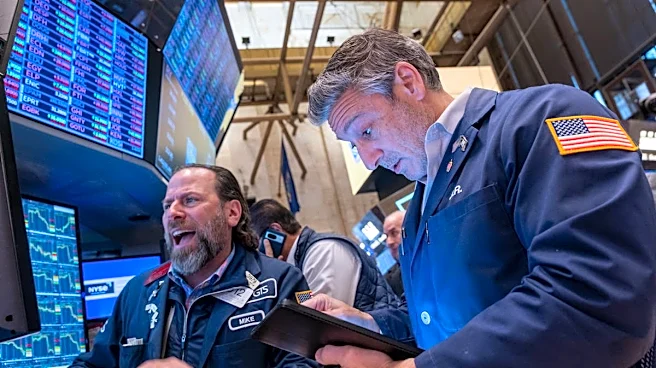
Alan Armstrong, the appointed U.S. Senator from Oklahoma, disclosed over 700 personal stock trades valued between $3.24 million and $16 million, more than two months past the federal STOCK Act's 45-day
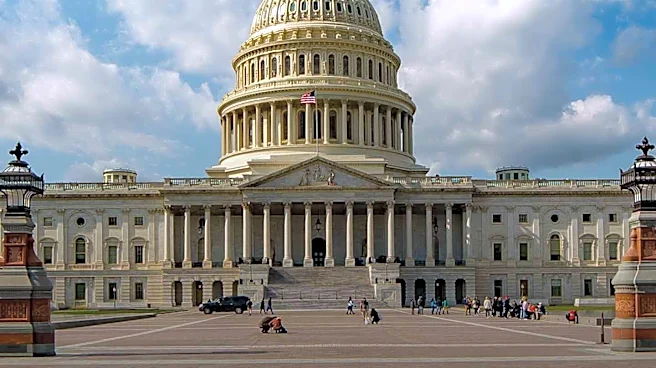
deadline. Armstrong, who took office in March after Markwayne Mullin's departure, made significant investments in companies like Apple, Alphabet, and NVIDIA shortly after his swearing-in. His late disclosure coincides with the House's passage of the Stop Insider Trading Act, which aims to prohibit Congress members from trading individual stocks. Armstrong's spokesperson stated that the trades were managed by a third-party adviser, denying any conflict of interest. Armstrong is set to leave office in January, as Oklahoma law prevents him from seeking a full Senate term.
Why It's Important?
The delayed disclosure of stock trades by Senator Armstrong highlights ongoing concerns about transparency and accountability among U.S. lawmakers. The STOCK Act was designed to prevent insider trading and ensure timely reporting of financial activities by public officials. Armstrong's case adds to a list of recent violations, raising questions about the effectiveness of current regulations. The situation underscores the need for stricter enforcement and potential legislative reforms to restore public trust. The proposed Stop Insider Trading Act, if passed, could significantly alter how lawmakers engage with financial markets, aiming to eliminate conflicts of interest and enhance ethical standards in Congress.
What's Next?
The Stop Insider Trading Act faces an uncertain future in the Senate, where it must gain sufficient support to become law. If enacted, it would mark a significant shift in congressional ethics, potentially leading to broader reforms in financial disclosure practices. Meanwhile, Armstrong's situation may prompt further scrutiny of lawmakers' financial activities, possibly influencing future legislative agendas. As Armstrong prepares to leave office, his actions could impact his political legacy and the broader discourse on ethics in government.