

What's Happening?
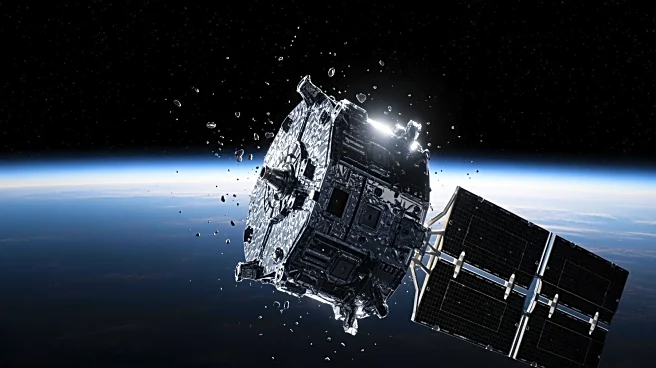
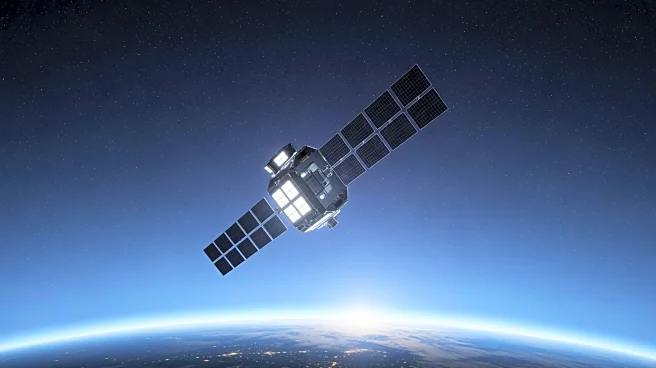
A report highlights the potential for a catastrophic event that could cause all of Earth's satellites to crash within days. The reliance on satellites for communication, navigation, and financial transactions makes this a significant concern. The risk
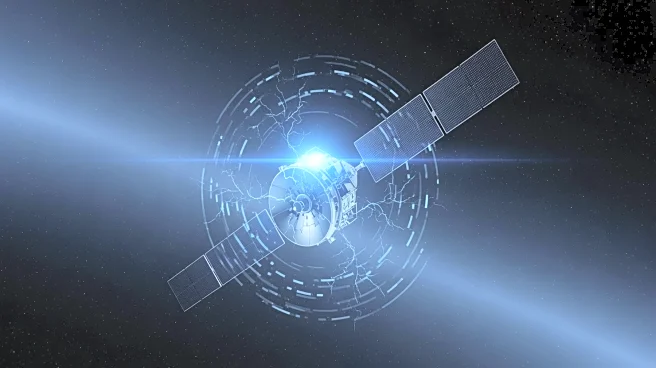
is exacerbated by the increasing number of satellites, particularly with the rise of SpaceX's Starlink. A solar storm or software glitch could trigger a domino effect, leading to widespread satellite failures.
Why It's Important?
The potential failure of satellites poses a significant threat to global communication and economic systems. The reliance on satellites for essential services means that a disruption could lead to a breakdown in international communications, transportation, and supply chains. This scenario underscores the need for robust satellite management and contingency planning to prevent such a crisis.
What's Next?
Efforts to mitigate the risk include developing new methods to measure and manage satellite collision risks. The introduction of the Collision Realization And Significant Harm (CRASH) Clock aims to predict the time frame for potential collisions, emphasizing the urgency of addressing this issue. Continued research and international cooperation are crucial to safeguarding satellite infrastructure.
Beyond the Headlines
The increasing risk of satellite collisions highlights the broader issue of space debris and the need for sustainable space practices. As the number of satellites grows, so does the potential for Kessler Syndrome, where space becomes so crowded that collisions become inevitable. This situation calls for international regulations and innovative solutions to manage space traffic effectively.