



What's Happening?
In Geneva, US and Iranian officials are engaged in a third round of talks aimed at reaching an agreement over Iran's nuclear program. The discussions are facilitated by Oman's Foreign Minister Sayyid Badr bin Hamad Al Busaidi, who has been mediating between
Iran's Foreign Minister Abbas Araghchi and US negotiators, including President Trump's Middle East envoy Steve Witkoff and Jared Kushner. The talks are occurring against a backdrop of increased US military presence in the Middle East, intended to pressure Iran and prepare for potential military action if negotiations fail. Key issues include Iran's right to enrich uranium, which it insists is for peaceful purposes, and the US demand that Iran cease all uranium enrichment.
Why It's Important?
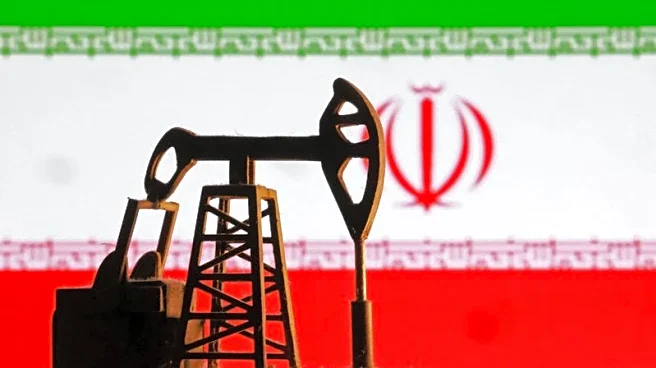
The outcome of these talks could significantly impact US-Iran relations and the broader Middle East region. A successful agreement could lead to a reduction in tensions and potentially lift some economic sanctions on Iran, benefiting its economy. Conversely, failure to reach a deal could escalate military tensions, affecting global oil markets and regional stability. The US military buildup underscores the high stakes, as it prepares for possible conflict if diplomacy does not succeed. The negotiations also test the diplomatic strategies of the Trump administration, which seeks to curb Iran's nuclear ambitions while managing international alliances.
What's Next?
The next round of talks is scheduled for this morning in Geneva. Both sides have set firm red lines, with the US opposing any uranium enrichment by Iran and Iran asserting its right to pursue peaceful nuclear technology. The continuation of these talks will depend on whether both parties can find common ground or if the US military presence will lead to increased tensions. Observers will be watching for any shifts in policy or rhetoric from either side that could indicate a breakthrough or a breakdown in negotiations.