




What's Happening?
Dentists in the Gaza Strip staged a protest on Tuesday, warning that dental treatment services are on the verge of a complete halt due to severe shortages of essential medical supplies. According to Anadolu reports, dentists attribute these shortages to Israeli
restrictions preventing the entry of necessary materials into the territory. The protest took place outside the International Committee of the Red Cross (ICRC) building in Gaza City, where dentists called for the immediate entry of crucial supplies, including materials for fillings, root canal procedures, anesthesia, and other vital treatments. Mohammed Khashku, a representative of the Gaza Strip Dentists Association, stated that some clinics and medical centers have already been forced to close, while others are operating with extremely limited resources. Dentist Suheir Mahmoud highlighted that many patients are unable to receive necessary treatment because essential materials are unavailable. She also noted that the small quantities of supplies reaching Gaza through unofficial channels are being sold at prices unaffordable for many Palestinians. Dentists warned that remaining supplies could soon be exhausted and appealed to international organizations and health bodies for assistance to ensure the entry of dental materials and prevent further disruption to treatment services.
Why It's Important?
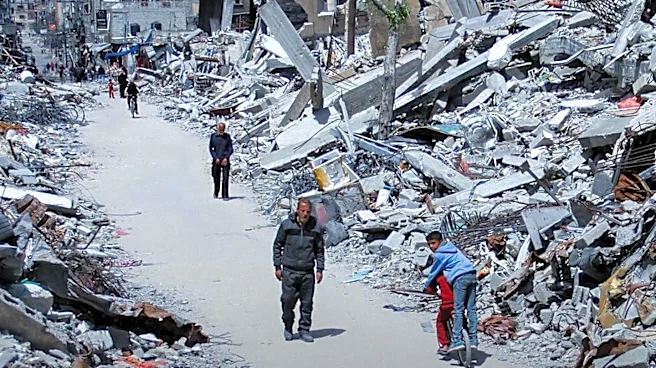
The critical shortage of dental supplies in Gaza, as highlighted by the dentists' protest, signifies a deepening humanitarian crisis that extends beyond immediate conflict-related injuries. The potential halt of dental services would have severe public health consequences, leading to untreated infections, chronic pain, and long-term oral health complications for the population. This situation disproportionately affects vulnerable groups who cannot afford the inflated prices of supplies available through unofficial channels. The reported Israeli restrictions on medical supplies, if continued, could be seen as a violation of international humanitarian law, which mandates the protection of civilian health infrastructure and access to essential medical care during conflict. The closure of clinics and the limited operation of others further strain an already fragile healthcare system, diverting resources and attention from other pressing medical needs. This issue also underscores the broader challenges faced by healthcare providers in conflict zones, where political barriers often impede the delivery of essential services, leading to preventable suffering and a decline in overall public health standards.
What's Next?
The dentists in Gaza have issued an urgent appeal to international organizations and health bodies to intervene and facilitate the entry of essential dental materials. This suggests that the immediate next step will involve increased advocacy and diplomatic efforts to pressure relevant authorities to lift restrictions on medical supplies. Organizations like the International Committee of the Red Cross (ICRC), where the protest was held, will likely be central to these efforts, potentially engaging in negotiations or humanitarian corridors to ensure the delivery of aid. If the shortages persist, more clinics and medical centers are expected to close, further exacerbating the healthcare crisis in Gaza. The long-term implications could include a significant deterioration of public oral health, leading to a rise in preventable diseases and complications. The situation may also prompt further international condemnation and calls for accountability regarding the humanitarian conditions in the Gaza Strip, potentially influencing broader geopolitical discussions and aid policies concerning the region.
Beyond the Headlines
The dental supply crisis in Gaza, while seemingly specific, reflects a broader pattern of systemic challenges impacting the daily lives and fundamental rights of the civilian population in conflict zones. Beyond the immediate health implications, the inability to access basic dental care contributes to a pervasive sense of vulnerability and neglect, eroding trust in humanitarian systems and international protections. The reliance on unofficial channels for supplies, coupled with exorbitant prices, highlights the emergence of a black market that exploits scarcity, further marginalizing those already struggling. This situation also underscores the psychological burden on healthcare professionals who are forced to operate with severely limited resources, often making impossible choices about who receives care. The erosion of basic services like dental care can have long-term societal impacts, affecting children's development, adults' productivity, and overall community well-being. It also raises ethical questions about the responsibilities of occupying powers and the international community to ensure the provision of essential services, even amidst conflict, to prevent a silent health catastrophe from unfolding.