





What's Happening?
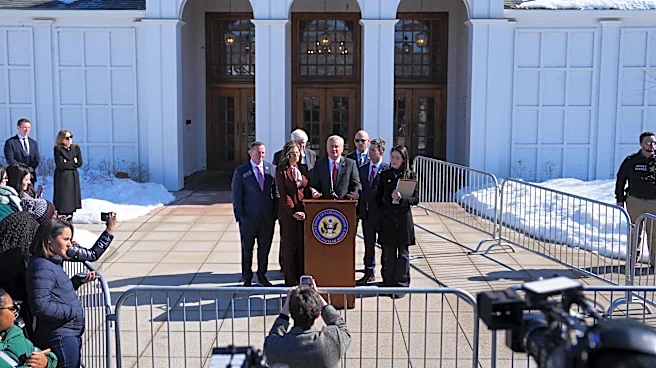
U.S. Representatives Eric Sorensen and Darin LaHood have responded to a reported bomb threat at the BioUrja Renewables plant in Peoria, Illinois. Illinois Governor JB Pritzker directed the Illinois State Police to assist local authorities in the investigation.
Representative Sorensen confirmed his office is monitoring the evacuations and has offered assistance to Peoria Mayor Rita Ali. Representative LaHood urged residents within the designated one-mile evacuation radius to follow police instructions and avoid the area until it is deemed safe. Both lawmakers extended their gratitude to first responders for their efforts. The Peoria Police are investigating the bomb threat at the plant, formerly known as the ADM plant, located at 1 Edmund Street.
Why It's Important?
The response from U.S. Representatives and the Governor to the bomb threat in Peoria highlights the seriousness with which such incidents are treated at both state and federal levels. The immediate involvement of state police and the call for public evacuation underscore the priority placed on public safety and emergency preparedness. The coordinated efforts of local, state, and federal officials are crucial in managing potential crises and ensuring the well-being of affected communities. Such events can cause significant disruption, fear, and economic impact, particularly when they involve industrial facilities. The swift communication from elected officials also serves to reassure the public and guide them during uncertain times, emphasizing the importance of following official directives.
What's Next?
The investigation into the bomb threat at the BioUrja Renewables plant is ongoing, with authorities working to determine the credibility and nature of the threat. Residents who were evacuated will await further instructions from law enforcement regarding when it is safe to return to their homes and businesses. The incident may lead to enhanced security protocols at industrial facilities in the region and potentially a review of emergency response procedures. Depending on the outcome of the investigation, there could be legal consequences for those responsible for the threat. The continued monitoring by U.S. Representatives suggests that they will remain engaged in the situation, offering support and resources as needed to the affected community.
Beyond the Headlines
Beyond the immediate safety concerns, a bomb threat at an industrial facility like an ethanol plant raises broader questions about critical infrastructure security. Such incidents can expose vulnerabilities in security systems and emergency response plans, prompting a re-evaluation of protective measures for essential industries. The psychological impact on the community, even if the threat proves to be a hoax, can be significant, leading to increased anxiety and a sense of insecurity. This event also highlights the role of public officials in crisis communication, where clear and timely information is vital to prevent panic and ensure public cooperation. The incident serves as a reminder of the constant need for vigilance and preparedness against potential threats to public safety and critical infrastructure.