





What's Happening?
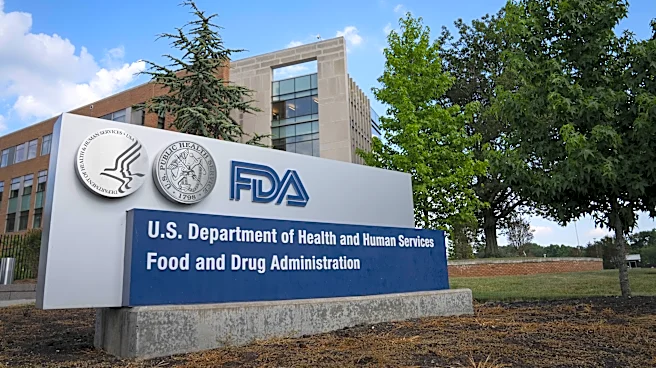
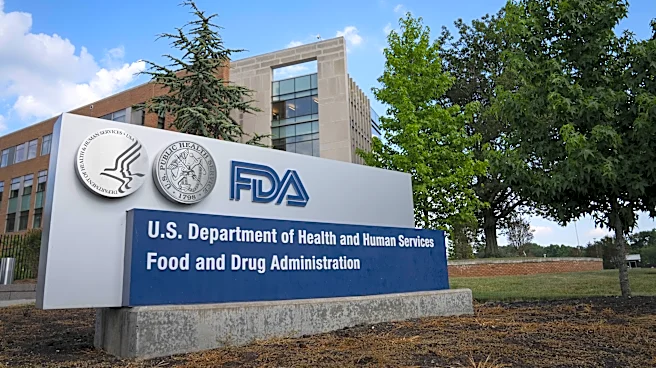
The U.S. Food and Drug Administration (FDA) advises consumers to carefully evaluate claims made by anti-aging cream manufacturers, distinguishing between cosmetic benefits and medical treatments. The FDA clarifies that cosmetic products are intended to support
the appearance and feel of skin, while claims suggesting they affect the structure or function of the body may raise regulatory concerns. Consumers are encouraged to read product labels thoroughly, paying attention to ingredient lists, stated purposes, directions, and cautions. The agency emphasizes that a cream should not be treated as a medical treatment for skin conditions or persistent irritation, recommending consultation with a qualified health professional for such issues. This guidance aims to help consumers make informed choices and manage realistic expectations regarding anti-aging products.
Why It's Important?
This FDA guidance is crucial for consumer protection in the U.S. market, where anti-aging products are a multi-billion dollar industry. By clarifying the distinction between cosmetic and medical claims, the FDA helps prevent consumers from being misled by exaggerated marketing. This is particularly important as many consumers may invest significant amounts in products hoping for medical-grade results that cosmetics cannot deliver. The emphasis on consulting health professionals for skin conditions also promotes responsible healthcare practices. For manufacturers, this guidance underscores the importance of accurate and compliant labeling, potentially leading to stricter scrutiny of product claims and a more transparent market. It also highlights the need for consumers to understand that an ingredient list is not a complete performance report, and the overall formulation and individual skin needs play a significant role in product effectiveness.
What's Next?
Consumers can expect to see continued emphasis on transparent labeling and clearer distinctions between cosmetic and medical claims in the anti-aging product market. Brands may adjust their marketing language to align more closely with FDA guidelines, focusing on appearance and feel rather than implying structural or functional changes to the body. There might be an increased availability of resources, such as ingredient glossaries and skin advisors, to help consumers understand product components and their roles. The FDA's ongoing oversight will likely encourage manufacturers to be more precise in their product descriptions and avoid making unsubstantiated claims. Consumers are also likely to become more educated about how to assess product compatibility with their routines and to prioritize comfort and clear purpose over headline ingredients or luxurious packaging.
Beyond the Headlines
The FDA's stance on anti-aging cream claims reflects a broader regulatory challenge in the beauty and wellness industry, where the line between cosmetic and therapeutic benefits can often be blurred. This issue extends beyond anti-aging products to various other categories, including supplements and 'wellness' devices. The guidance encourages a more critical approach to product consumption, urging individuals to prioritize scientific evidence and professional advice over marketing hype. Ethically, it raises questions about the responsibility of brands to educate consumers rather than simply sell products. Culturally, it challenges the societal pressure to achieve unrealistic beauty standards through quick-fix solutions, promoting a more holistic and informed approach to skincare and health. This regulatory clarity can foster greater trust between consumers and the beauty industry, provided that brands adhere to these guidelines and consumers remain vigilant.