





What's Happening?
The White House has drawn criticism and calls for a lawsuit from social media users after releasing a video parodying Nintendo's 'The Legend of Zelda: Ocarina of Time.' The video, titled 'The Legend of Trump, Make America Great Again,' was posted on the
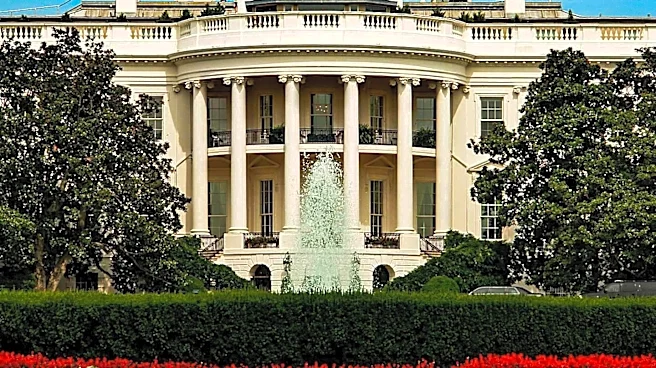
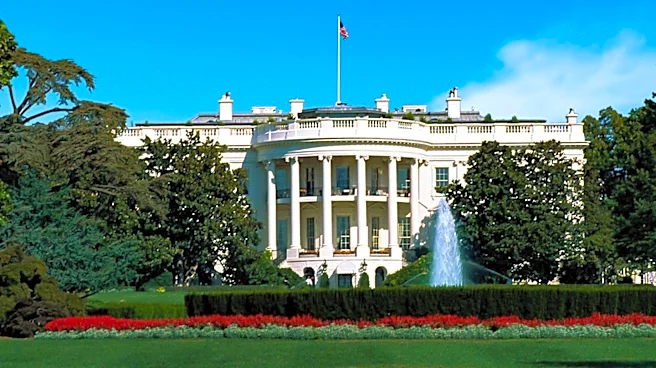
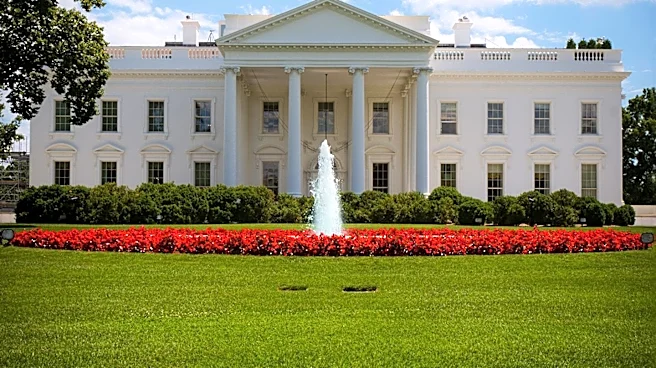
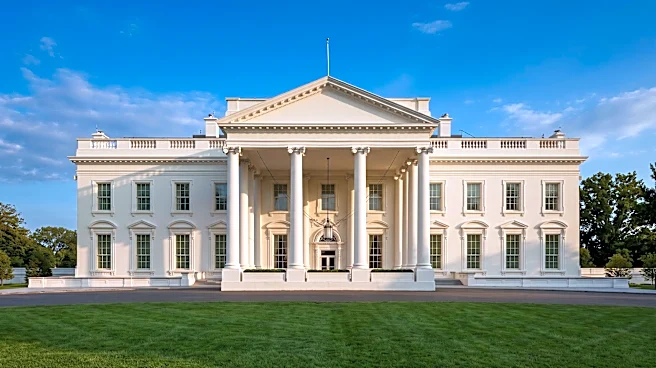
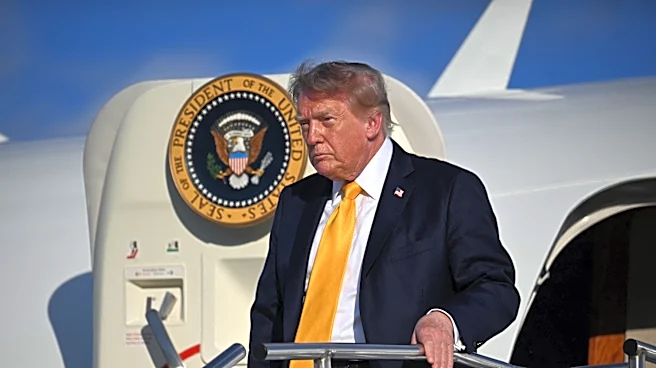
official X account and featured President Trump in a style reminiscent of the iconic Nintendo game, complete with its original soundtrack. The video depicted President Trump on the White House lawn, entering the building, and signing papers in the Oval Office, with a caption stating, 'President Trump is working tirelessly... TO MAKE AMERICA GREAT AGAIN.' This incident follows previous instances where the White House released retro-style games promoting President Trump's political agenda, including 'Build the Wall,' which was inspired by Tetris and later removed from the White House's arcade website.
Why It's Important?
This incident highlights the intersection of political communication, intellectual property rights, and public perception in the digital age. The use of copyrighted material, even in parody, by a government entity like the White House raises questions about fair use and the potential for legal challenges from corporations like Nintendo. For U.S. businesses, particularly those in the entertainment and gaming industries, this sets a precedent regarding the unauthorized use of their intellectual property by political campaigns or government bodies. It also underscores the increasing trend of political messaging leveraging popular culture, which can be a double-edged sword, potentially engaging new audiences but also risking backlash and legal disputes. The public's reaction, urging Nintendo to sue, indicates a sensitivity to the perceived misuse of beloved cultural icons for political purposes.
What's Next?
Nintendo has not yet publicly responded to the calls for a lawsuit. However, the precedent set by Tetris's statement regarding the 'Build the Wall' game suggests that major corporations are attentive to the political use of their intellectual property. It remains to be seen if Nintendo will take legal action or issue a public statement. This event could prompt other companies to proactively establish clearer guidelines or policies regarding the political use of their brands and copyrighted content. Furthermore, it may lead to increased scrutiny of government-produced digital content, particularly concerning its originality and adherence to intellectual property laws. The incident also fuels ongoing debates about the ethics of using AI-generated content and popular culture references in political messaging.
Beyond the Headlines
Beyond the immediate legal and public relations implications, this event reflects a broader cultural phenomenon where political discourse increasingly blurs the lines with entertainment and digital media. The White House's repeated use of video game parodies for political messaging suggests an attempt to connect with a younger, digitally native audience. However, it also exposes a tension between the desire for relatable political content and the respect for intellectual property and artistic integrity. This trend could lead to a normalization of such practices, potentially eroding the distinct boundaries between political communication and commercial entertainment. It also raises questions about the authenticity of political messaging when it relies heavily on AI-generated or parodied content, and how this might influence public trust and engagement with political figures and institutions.