


What's Happening?
Professors Ned Foley, Pam Karlan, Doug Laycock, and Rick Hasen have filed an amicus brief with the Supreme Court, urging it to deny emergency relief that would allow the U.S. Postal Service (USPS) to implement a new election rule before the 2026 midterm
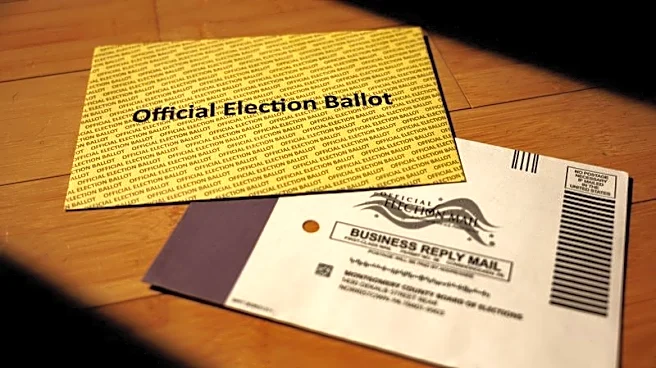
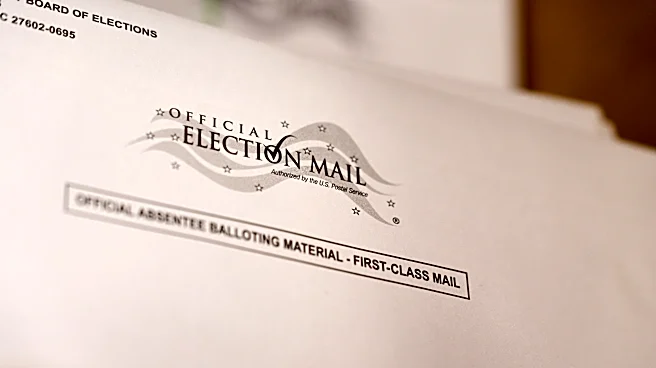
elections. The brief argues that the balance of equities and public interest strongly favor delaying the rule's rollout. They contend that the USPS's asserted injury from not implementing the rule is speculative, as there is no evidence it would prevent significant voter fraud, nor is USPS prepared to implement it accurately. Conversely, the professors highlight the enormous harm to states and voters, warning that the rule threatens to disenfranchise millions of elderly, disabled, military, and other voters who rely on mail ballots. The brief details how the rule's envelope and portal requirements are impractical for states to meet on short notice, potentially leading to the rejection of numerous ballots due to technical discrepancies or administrative challenges.
Why It's Important?
This amicus brief underscores significant concerns about voter disenfranchisement and election integrity ahead of the 2026 midterms. The professors' arguments highlight the potential for widespread disruption if the USPS rule is implemented without adequate preparation and testing. Millions of voters, particularly vulnerable populations, could lose their right to vote due to technicalities or administrative hurdles imposed by the new rule. This situation could lead to increased litigation, public distrust in election processes, and a chaotic election environment. The brief also raises questions about the authority of USPS to impose conditions on mail for the purpose of preventing voter fraud, especially when evidence of widespread fraud through mail is lacking. The Supreme Court's decision will have a direct impact on how mail-in ballots are handled nationwide and could set a precedent for future election administration policies.
What's Next?
The Supreme Court will consider the arguments presented in this amicus brief, along with those from other parties, as it decides whether to grant emergency relief to allow the USPS rule to proceed. A decision to deny the relief would likely mean the rule's implementation is delayed until after the 2026 elections, providing states more time to adapt or for the rule to be further refined. Conversely, if the Court grants the relief, states would face immense pressure to comply with the new requirements in a very short timeframe, potentially leading to the disenfranchisement of voters and significant operational challenges for election administrators. The outcome will be closely watched by election officials, voting rights advocates, and political parties, as it will directly influence the accessibility and administration of mail-in voting in the upcoming elections.
Beyond the Headlines
This legal challenge delves into the complex interplay between federal agencies, state election administration, and fundamental voting rights. The debate over the USPS rule highlights broader tensions regarding election security versus voter access. While proponents of such rules often cite the need to prevent voter fraud, critics argue that overly stringent requirements can inadvertently suppress legitimate votes, particularly from demographics that rely heavily on mail-in voting. The case also touches upon the practical realities of implementing significant changes to election procedures close to an election, emphasizing the need for careful planning and sufficient lead time. The Supreme Court's ruling will not only determine the fate of this specific USPS rule but could also influence future legislative and administrative efforts to regulate voting processes, potentially shaping the future of democratic participation in the U.S.