





What's Happening?
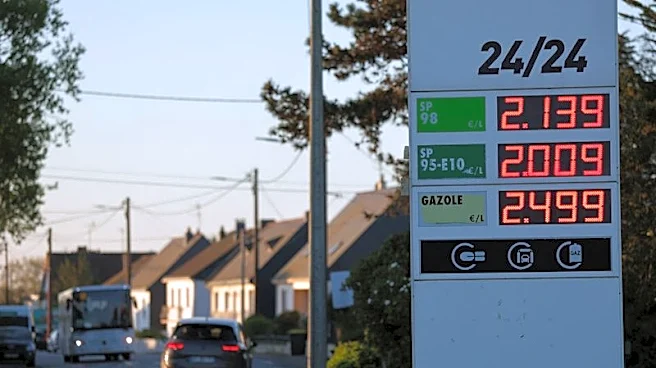
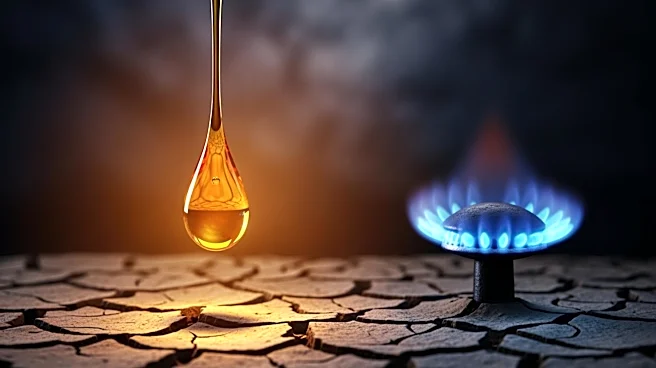
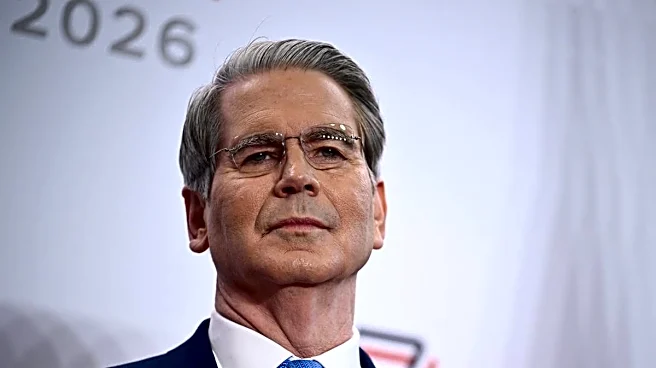
European Union officials have announced that oil and gas prices in Europe are expected to remain elevated until at least the end of 2027. This forecast comes in the wake of the Iran war, which has significantly impacted energy prices. Valdis Dombrovskis,
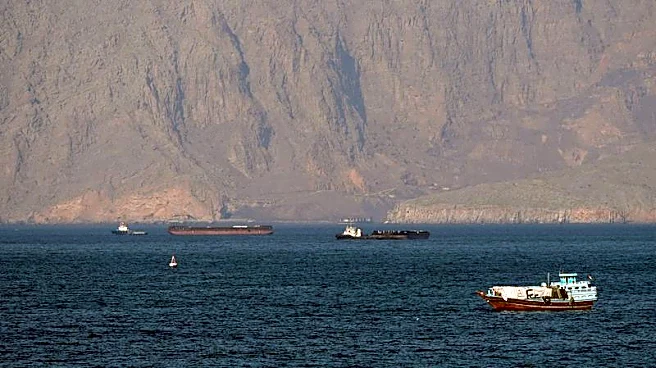
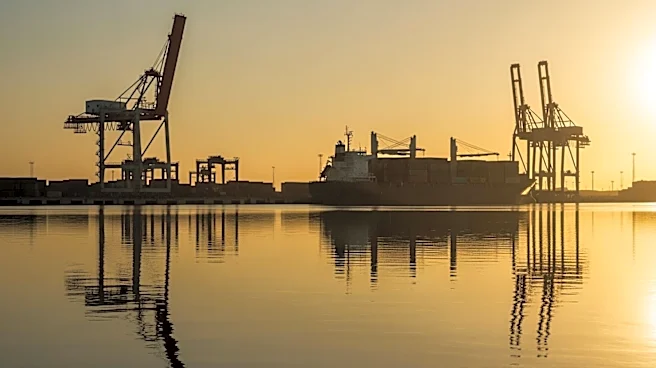
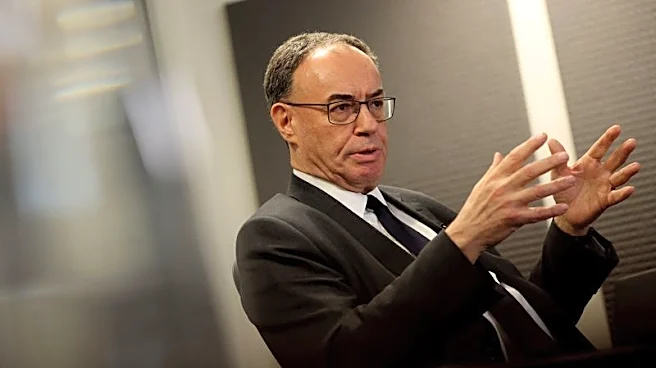
the EU Economy Commissioner, highlighted that these high energy prices are a major factor driving inflation, which is projected to reach 3.1% this year and 2.4% by 2027. The European Central Bank (ECB) President, Christine Lagarde, noted that even if the Middle East conflict were to end immediately, the 'lagging effects' would continue to keep prices high. The ECB is committed to maintaining price stability at 2% and is prepared to take necessary measures to address the economic shock caused by the energy price surge. Eurogroup President Kyriakos Pierrakakis emphasized the importance of free navigation through the Strait of Hormuz, a critical passage for global oil and gas supply.
Why It's Important?
The prolonged high energy prices have significant implications for the European economy, affecting inflation rates and economic growth forecasts. The anticipated inflation could lead to increased costs for consumers and businesses, potentially slowing economic recovery. The ECB's approach to managing inflation through interest rate adjustments will be crucial in stabilizing the economy. The situation also underscores the vulnerability of European energy markets to geopolitical tensions, highlighting the need for strategic energy reserves and diversified energy sources. The economic impact extends beyond Europe, as global markets are interconnected, and prolonged high prices could influence international trade and economic policies.
What's Next?
The European Central Bank will continue to monitor economic data closely to determine its monetary policy stance, aiming to achieve its 2% inflation target. The Eurogroup will focus on ensuring economic growth within the eurozone, albeit at a slower pace than previously forecasted. The resolution of the Middle East conflict and the restoration of free navigation through the Strait of Hormuz are critical factors that could influence future energy prices. European leaders may also explore long-term strategies to enhance energy security and reduce dependency on volatile regions.