







What's Happening?
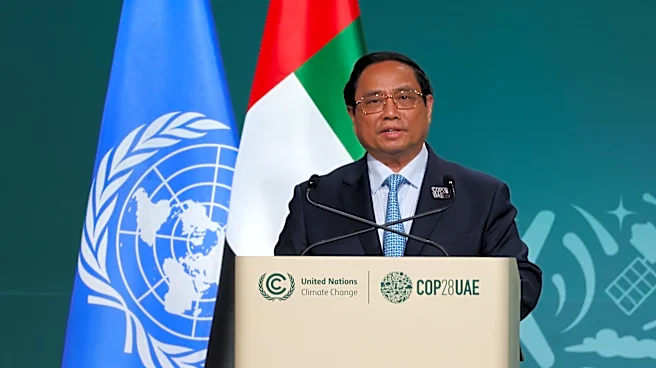
The 31st Conference of the Parties to the United Nations Framework Convention on Climate Change (UNFCCC COP31) is scheduled to take place from November 9 to 20, 2026, at the Antalya Expo Center in Antalya, Turkey. This conference will focus on the critical
role of the ocean in maintaining climate stability and will explore various ocean-based approaches to complement emissions reductions and adaptation efforts. Discussions will encompass a range of topics, including seaweed-based products for decarbonization, marine carbon dioxide removal (mCDR), and research into Arctic sea ice preservation and restoration. Key themes will involve examining the scientific evidence, governance frameworks, community participation, and the capacity required to responsibly evaluate these approaches. Ocean Visions, an organization dedicated to ocean-climate solutions, will contribute to sessions on scaling seaweed-based products, Arctic tipping points, and the evaluation of ocean-climate interventions in different national and regional contexts. A significant event at COP31 will be the launch of the Africa mCDR Roadmap, led by Dr. Mariam Swaleh, Executive Director of the Ocean–Climate Innovation Hub Kenya.
Why It's Important?
The UNFCCC COP31 is crucial for advancing global climate action, particularly by integrating ocean-based solutions into the broader climate agenda. The focus on ocean-climate interventions highlights a growing recognition of the ocean's vital role in regulating the Earth's climate and its potential as a source of innovative solutions. The discussions on scientific evidence, governance, and community participation are essential for ensuring that these approaches are implemented effectively and equitably. The development of initiatives like the Africa mCDR Roadmap underscores the importance of regional collaboration and capacity building in addressing climate change impacts. The outcomes of COP31 could influence international climate policy, research funding, and the development of new technologies aimed at mitigating climate change and adapting to its effects, impacting various sectors from marine industries to renewable energy and environmental conservation.
What's Next?
Following the UNFCCC COP31 in November 2026, the insights and agreements reached will likely inform national climate policies and international cooperation efforts. The launch of the Africa mCDR Roadmap is expected to catalyze further research and implementation of marine carbon dioxide removal strategies across the African continent, potentially leading to new partnerships and investment opportunities in the region. The ongoing discussions on ocean-based approaches will continue to shape the scientific and policy discourse around climate change, with a focus on developing robust frameworks for their responsible deployment. Future conferences and international forums will likely build upon the outcomes of COP31, further refining strategies for ocean protection and climate resilience. The involvement of organizations like Ocean Visions and the emphasis on community participation suggest a continued push for inclusive and scientifically sound climate solutions.
Beyond the Headlines
The emphasis on ocean-based climate solutions at COP31 reflects a broader shift in environmental policy, acknowledging the interconnectedness of climate and ocean health. This approach moves beyond traditional land-based mitigation strategies to explore the vast potential of marine ecosystems in carbon sequestration and climate regulation. The ethical considerations surrounding marine carbon dioxide removal, such as potential ecological impacts and equitable access to these technologies, will be critical in shaping their future development and deployment. The focus on governance and community participation highlights the need for inclusive decision-making processes that consider the perspectives of coastal communities and indigenous populations. This conference could also spur significant advancements in marine science and technology, fostering innovation in areas like sustainable aquaculture, ocean monitoring, and blue economy initiatives, ultimately contributing to a more holistic approach to global environmental stewardship.