






What's Happening?
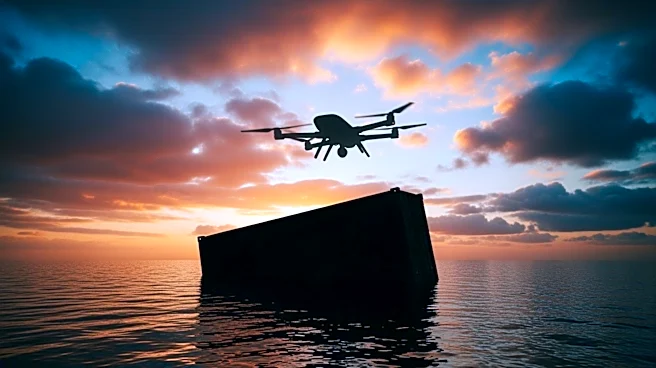
Doctors Without Borders (MSF) has condemned a drone attack on Al Jabalain Hospital in Sudan's White Nile State, which resulted in the deaths of at least 10 people, including seven medical staff. The attack, which occurred on Thursday, involved two strikes
targeting the hospital's operating theatre and maternity ward. MSF reported that the assault was allegedly carried out by the paramilitary Rapid Support Forces (RSF). This incident is part of a broader pattern of attacks on healthcare facilities in Sudan, which have been ongoing since the conflict between the Sudanese army and the RSF began in April 2023. The World Health Organization has documented over 200 attacks on healthcare facilities since the conflict's inception.
Why It's Important?
The attack on Al Jabalain Hospital underscores the severe impact of the ongoing conflict in Sudan on the country's healthcare system. The targeting of medical facilities not only results in immediate loss of life but also disrupts essential healthcare services, exacerbating the humanitarian crisis. The repeated assaults on healthcare infrastructure hinder the ability to provide medical care to civilians, including vulnerable populations such as children, who were reportedly being immunized at the time of the attack. The international community, including organizations like MSF, has expressed concern over the escalation of violence and its implications for civilian safety and access to healthcare.
What's Next?
The Sudanese government and international bodies may face increased pressure to address the violence and protect healthcare facilities. There could be calls for accountability and potential sanctions against those responsible for the attacks. The ongoing conflict may lead to further displacement of civilians and strain on humanitarian resources. Efforts to mediate peace between the warring factions could be intensified to prevent further deterioration of the situation.
Beyond the Headlines
The attack highlights the ethical and legal challenges of warfare, particularly the use of drones in conflict zones. The targeting of healthcare facilities raises questions about compliance with international humanitarian law, which protects medical personnel and infrastructure. The situation in Sudan may prompt discussions on the role of international actors in providing support to conflict-affected regions and the responsibility of regional powers in perpetuating violence through military aid.