






What's Happening?
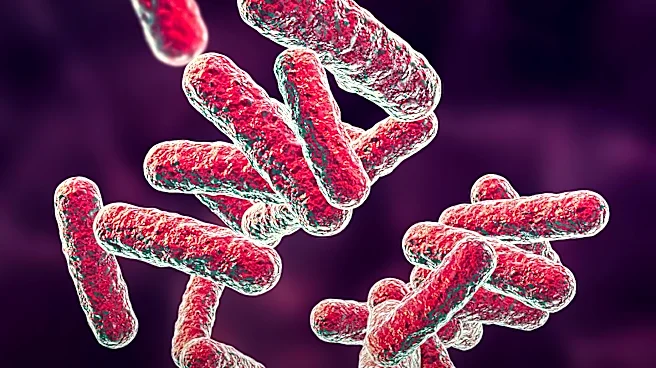
The flesh-eating bacteria Vibrio vulnificus has caused at least seven deaths and numerous hospitalizations in the United States, particularly affecting the Gulf of Mexico region. This bacterium thrives in warm, brackish waters and can infect individuals
through open wounds or the consumption of raw seafood, such as oysters. The Centers for Disease Control and Prevention (CDC) reports that the bacteria's lethality is high, with a mortality rate of 20% among those infected. Climate change and rising sea temperatures are contributing to the northward spread of this bacteria, increasing the risk of infection.
Why It's Important?
The spread of Vibrio vulnificus highlights the growing public health threat posed by climate change, as warmer waters create favorable conditions for the bacteria. This situation underscores the need for increased public awareness and preventive measures, particularly for vulnerable populations such as the elderly and those with compromised immune systems. The economic impact is also significant, as healthcare systems must manage the increased burden of treating severe infections, which can require intensive care or even amputations.
What's Next?
Public health authorities are likely to enhance monitoring and reporting systems to track the spread of Vibrio vulnificus and other climate-sensitive pathogens. Efforts to educate the public on preventive measures, such as avoiding raw seafood and protecting open wounds from exposure to seawater, will be crucial. Additionally, research into effective treatments and vaccines may receive increased attention and funding.