






What's Happening?
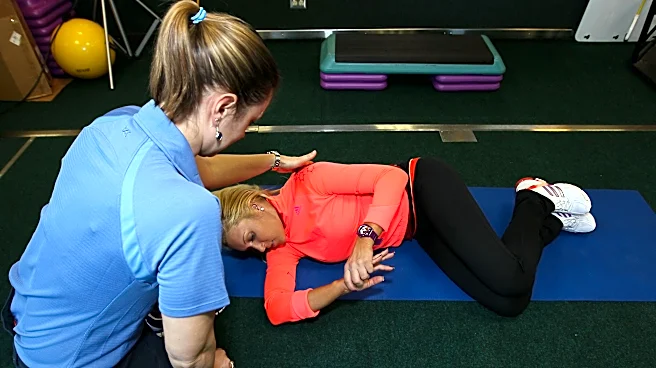
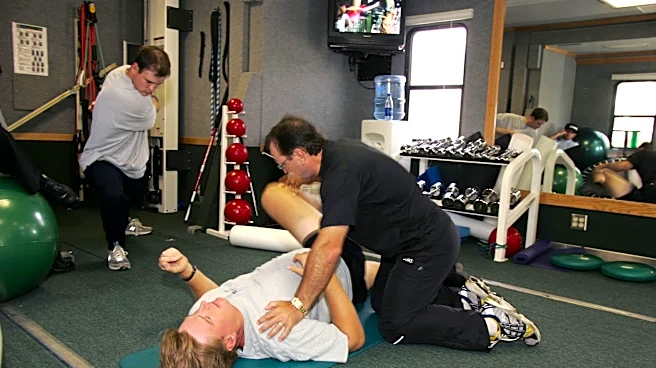
Active Chiropractic, through an article by Dr. Brent Reiche, D.C., emphasizes that stretching alone is often insufficient for long-term pain recovery and improved movement. The article clarifies the distinction between mobility and strength: mobility is the ability
to move a joint through its comfortable range, while strength is the capacity to control and support that movement. While stretching can enhance flexibility and temporarily ease stiffness, it does not address underlying issues of weakness or lack of control. The clinic advocates for a comprehensive approach that integrates both mobility work and gradual strengthening exercises. This combined strategy is crucial because a person can possess good flexibility but still lack the necessary strength for daily activities like climbing stairs, lifting objects, or standing for extended periods. The National Institute of Diabetes and Digestive and Kidney Diseases supports this view, recommending a combination of regular physical activity and muscle-strengthening activities for overall health benefits.
Why It's Important?
This perspective from Active Chiropractic is important for individuals experiencing recurring stiffness, weakness, or pain, as it challenges the common misconception that stretching is a standalone solution. By highlighting the need for both mobility and strength, it encourages a more holistic and effective approach to physical well-being and pain management. For the healthcare and fitness industries, this reinforces the value of integrated programs that go beyond simple flexibility routines. Patients who understand this distinction are better equipped to seek appropriate care that addresses the root causes of their discomfort, potentially leading to more sustainable recovery and improved functional capacity. This approach can reduce the likelihood of chronic issues and enhance overall quality of life by preparing the body to handle everyday demands with greater confidence and less pain.
What's Next?
Individuals experiencing persistent pain or stiffness are encouraged to seek professional guidance from healthcare providers like chiropractors or physical therapists to develop a well-rounded recovery plan. Such plans will likely incorporate a blend of mobility exercises and progressive strength training tailored to individual needs and conditions. For those in the fitness industry, there may be a continued shift towards offering programs that integrate these two components, moving away from solely flexibility-focused classes. Educational efforts will likely continue to emphasize the importance of strength in conjunction with flexibility for optimal physical function and injury prevention. Patients should expect initial assessments to determine specific areas of weakness or limited mobility before a personalized regimen is prescribed, ensuring that exercises are appropriate and safe for their current physical state.
Beyond the Headlines
The emphasis on combining mobility and strength training reflects a broader evolution in understanding human biomechanics and pain science. This shift moves beyond a simplistic view of flexibility as the sole determinant of movement quality and highlights the complex interplay between various physical attributes. Ethically, it underscores the responsibility of healthcare providers to educate patients thoroughly about effective long-term solutions rather than offering quick fixes. Legally, this comprehensive approach could influence best practices in physical therapy and chiropractic care, potentially leading to more standardized integrated treatment protocols. Culturally, it challenges the prevailing notion that more stretching is always better, encouraging a more balanced and evidence-based approach to fitness and wellness that prioritizes functional movement and resilience.