







What's Happening?
Countries bordering the Western Indian Ocean have adopted 15 decisions aimed at strengthening marine conservation, combating plastic pollution, and promoting sustainable blue-economy investments. These decisions were made at the 12th Conference of the Parties
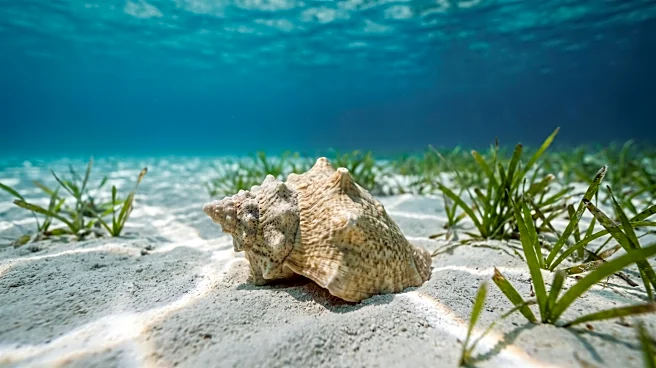
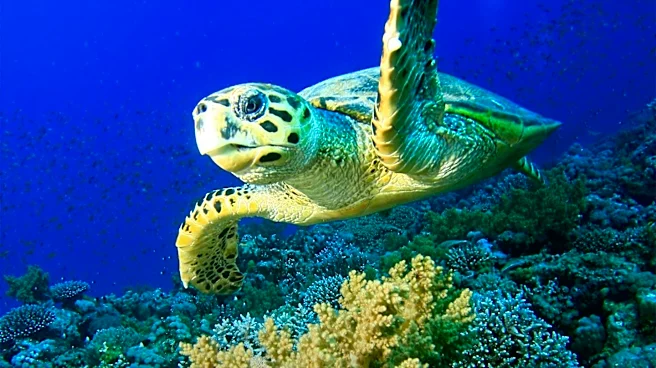
(COP12) of the Nairobi Convention, hosted in Dar es Salaam, Tanzania, marking 40 years of regional cooperation. Over 1,600 delegates, including representatives from the Convention's 10 contracting parties, UN agencies, research institutions, and civil society, attended the meeting. Key outcomes include a regional strategy to combat plastic pollution, measures to conserve and restore mangroves, seagrasses, and coral reefs, and a regional contingency plan for major marine pollution incidents. Parties also called for stronger action against land-based sources of marine degradation. The decisions are intended to accelerate the implementation of the Convention's 2025–2035 Integrated Work Programme and enhance cooperation among the countries sharing the Western Indian Ocean.
Why It's Important?
These decisions are critical for the ecological health and economic sustainability of the Western Indian Ocean region. The area faces significant challenges from plastic pollution, habitat degradation, and the impacts of climate change, which threaten its rich biodiversity and the livelihoods of coastal communities. The adoption of a regional strategy for plastic pollution and measures for ecosystem restoration demonstrates a concerted effort to address these pressing environmental issues. Strengthening ocean governance and promoting sustainable blue-economy investments are vital for balancing conservation with economic development, ensuring that marine resources are managed responsibly for future generations. The call for a coordinated regional approach to implementing the Biodiversity Beyond National Jurisdiction (BBNJ) Agreement also highlights the importance of international cooperation in protecting marine biodiversity in areas beyond national jurisdiction, which is crucial for global ocean health.
What's Next?
The immediate next step is the implementation of the 15 adopted decisions, which will require sustained commitment and resource mobilization from the contracting parties. This includes putting into action the regional strategy to combat plastic pollution, initiating conservation and restoration projects for key marine ecosystems like mangroves and coral reefs, and developing preparedness for marine pollution incidents. The parties also agreed on measures to improve ocean accounting, mobilize blue finance, and encourage investments that benefit local communities, women, and young people. Continued resource mobilization and the fulfillment of financial commitments are essential for the Convention's priorities. Mauritius has been elected as the chair of the Bureau to the Nairobi Convention Secretariat, and the venue and dates for COP13 will be announced after consultations, indicating ongoing regional collaboration and future policy development.
Beyond the Headlines
The Nairobi Convention's efforts underscore the power of regional cooperation in addressing complex environmental challenges that transcend national borders. The focus on a sustainable blue economy reflects a growing global understanding that economic prosperity and environmental protection are not mutually exclusive but rather interdependent. By integrating measures for marine spatial planning, ecosystem monitoring, and scientific cooperation, the Convention is building a robust framework for evidence-based decision-making. The emphasis on inclusive approaches, including youth participation and women-led enterprises, highlights a progressive vision for ocean governance that recognizes the importance of diverse stakeholders. The success of these initiatives in the Western Indian Ocean could serve as a model for other regions grappling with similar marine environmental issues, demonstrating how collective action can lead to tangible improvements in ocean health and community well-being.