



What's Happening?
The U.S. Forest Service has authorized cattle grazing in the Gros Ventre Range of Wyoming, an area previously retired from sheep grazing due to a 2016 buyout deal aimed at protecting bighorn sheep. This decision allows up to 650 cattle to graze in the Elk
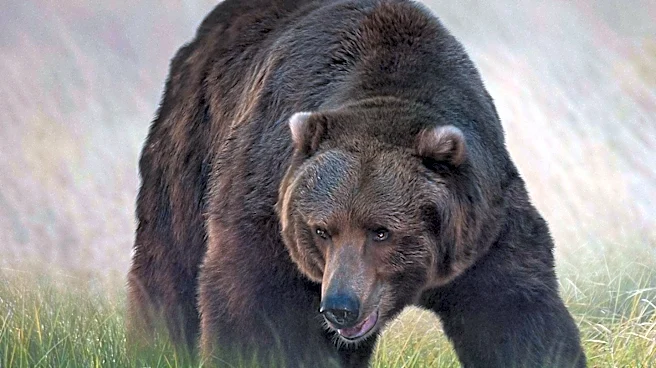
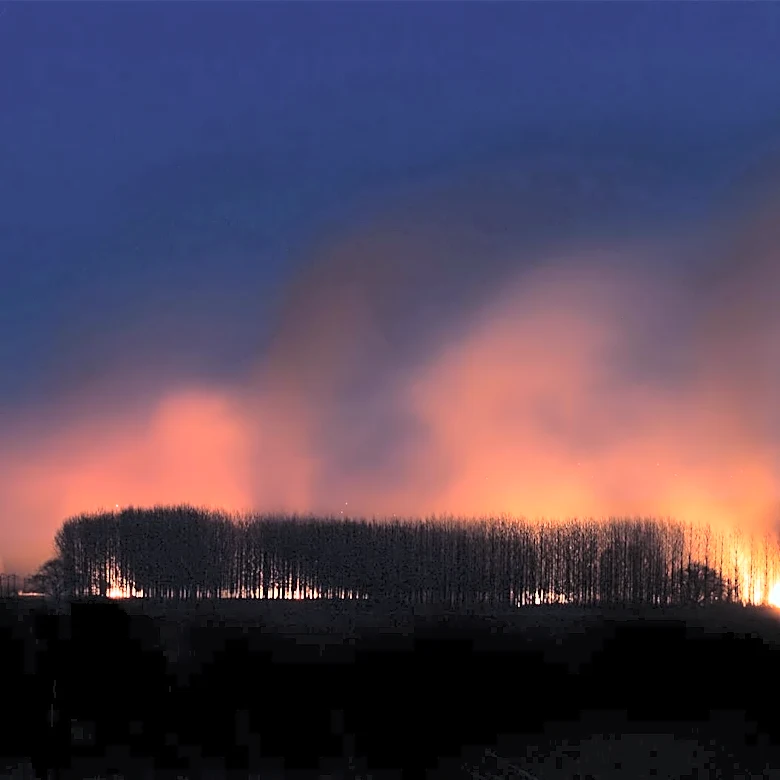
Ridge complex, a 48-square-mile area, during 2026 and 2027. The move is intended as a temporary solution following the 2025 Dollar Lake fire, which damaged adjacent grazing lands. The Bridger-Teton National Forest's decision has sparked controversy, as conservationists and watchdogs question the rationale and process behind the authorization. Critics argue that the decision undermines the original intent of the buyout deal and raises concerns about potential conflicts with grizzly bears, which have historically been an issue in the area.
Why It's Important?
The decision to allow cattle grazing in the Gros Ventre Range has significant implications for wildlife conservation and land management in Wyoming. The area is known for its history of grizzly bear-cattle conflicts, which have resulted in numerous bear fatalities. The reintroduction of cattle could exacerbate these conflicts, potentially leading to more bear deaths and increased tensions between conservationists and ranchers. Additionally, the decision raises questions about the effectiveness of grazing allotment buyouts as a conservation strategy, as it challenges the assumption that such deals permanently retire land from grazing. This development could influence future conservation efforts and policies regarding land use and wildlife protection in the region.
What's Next?
The Forest Service plans to conduct a new environmental impact analysis to explore more permanent grazing options in the Elk Ridge complex. This analysis is expected to begin in the fall, potentially leading to long-term changes in land management practices. Stakeholders, including conservation groups and ranchers, are likely to engage in discussions and debates over the future of grazing in the area. The outcome of these discussions could impact the balance between agricultural interests and wildlife conservation in Wyoming. Additionally, the decision may prompt legal challenges or calls for increased public involvement in land management decisions.
Beyond the Headlines
The controversy surrounding the Forest Service's decision highlights broader issues related to public land management and the role of federal agencies in balancing competing interests. The reliance on outdated environmental assessments and the perceived lack of public input in the decision-making process have drawn criticism from conservationists. This situation underscores the need for transparent and inclusive processes in managing public lands, particularly in areas with sensitive wildlife populations. The outcome of this case could set precedents for how similar conflicts are addressed in the future, influencing policy and conservation strategies across the U.S.