


What's Happening?
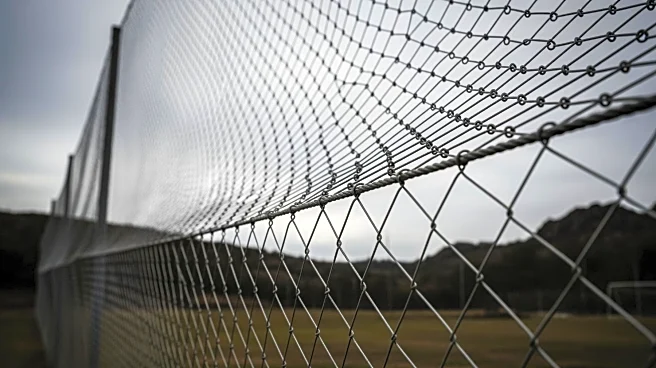
Ukraine is intensifying its efforts to deploy anti-drone nets across frontline areas, aiming to cover 4,000 kilometers of roads by the end of the year. This initiative, announced by Ukraine's defense minister, Mykhailo Fedorov, comes in response to increasing
drone attacks by Russia targeting military supply routes and civilian infrastructure. The Ukrainian government has allocated an additional 1.6 billion hryvnias ($37 million) to enhance these protective measures. The nets are designed to intercept drones by snagging their propellers, thereby preventing them from reaching their intended targets. This development is part of a broader strategy to safeguard military movements and ensure the stability of frontline communities. Concurrently, Ukraine is experiencing intensified air raids, with recent attacks on Kyiv and other cities, prompting air defense operations and public safety alerts.
Why It's Important?
The deployment of anti-drone nets is a critical component of Ukraine's defense strategy against Russian aggression. By protecting key infrastructure and military routes, Ukraine aims to mitigate the impact of drone strikes, which have been increasingly used by Russia to disrupt logistics and inflict damage on civilian areas. This move not only enhances Ukraine's defensive capabilities but also underscores the ongoing challenges faced by the country in maintaining its sovereignty and security. The financial investment in these protective measures reflects the urgency and seriousness of the threat posed by drone warfare. Additionally, the international dimension of the conflict is highlighted by the planned talks in Geneva involving U.S. representatives, which aim to address the broader geopolitical implications and seek potential resolutions to the ongoing war.
What's Next?
Ukraine plans to accelerate the coverage of anti-drone nets, increasing the pace from 12 kilometers per day to 20 kilometers per day in March. This rapid deployment is expected to bolster the country's defense against drone attacks significantly. Meanwhile, diplomatic efforts continue, with Ukrainian officials set to meet with U.S. envoys in Geneva to discuss postwar recovery plans and potential prisoner exchanges. These talks are part of a broader U.S.-brokered initiative to facilitate dialogue between Ukraine and Russia, although previous negotiations have yet to yield significant breakthroughs. The international community will be closely monitoring these developments, as the outcome could influence future diplomatic and military strategies in the region.
Beyond the Headlines
The establishment of a Ukrainian drone production plant in the UK marks a significant strategic development, reflecting Ukraine's efforts to enhance its technological capabilities and reduce reliance on domestic production facilities vulnerable to attack. This move not only strengthens Ukraine's military capacity but also signifies deepening international cooperation, particularly with Western allies. The ongoing conflict and the measures taken by Ukraine highlight the evolving nature of modern warfare, where technology plays a pivotal role. The use of drones and counter-drone technologies is likely to shape future military strategies and defense policies globally.