





What's Happening?
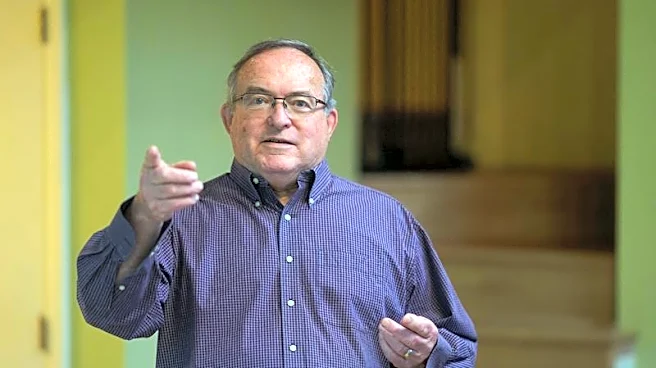
University of Michigan biologist Melissa Duhaime is shifting her research focus to flax as a sustainable, plastics-free alternative. After years of documenting plastic waste in the Great Lakes, Duhaime is exploring how flax can be spun into linen for
clothing, replacing synthetic fabrics that shed plastic fibers, and used as a substitute for petroleum-based carbon fiber in automobiles and construction. She is part of a growing movement of researchers, activists, and policymakers seeking to curb plastic pollution. Duhaime, who also co-owns Blackberry Ridge Woolen Mill in Wisconsin, aims to restore flax production in the state, with support from the Wisconsin Farmers Union and University of Wisconsin researchers. This initiative seeks to create a new manufacturing sector for flax fibers, spinning, weaving, and product development.
Why It's Important?
The overwhelming problem of plastic pollution, with over 8 billion tons of plastic waste globally and 22 million pounds entering the Great Lakes annually, poses significant environmental and health risks. Microplastics, linked to heart and brain diseases, highlight the urgency of finding alternatives. Duhaime's work on flax offers a tangible, bio-based solution that could reduce reliance on fossil fuel-based plastics and mitigate their environmental impact. Reviving flax production in the U.S. could also stimulate local economies, create new jobs, and foster a more sustainable supply chain, contrasting with current global networks. This shift aligns with the 'fibershed' movement, promoting regional production and consumption of natural fibers, which could also bridge economic and personal divides between rural and urban areas.
What's Next?
Duhaime and her University of Michigan colleagues are actively pitching Detroit's Big 3 automakers on the possibilities of using flax-based materials in vehicles, following the lead of European companies like BMW and Volvo. The newly created THREADS Natural Fibers Institute at Michigan will likely play a crucial role in advancing this research and development. Efforts are underway to raise funds to build a flax-processing mill in Michigan, which is essential for scaling up production and integrating flax into the state's economy. Similar 'fibershed' groups are forming in other Great Lakes states and Canadian provinces, indicating a broader movement towards localized, sustainable fiber production. Additionally, legislative efforts, such as extended producer responsibility (EPR) laws in several states, aim to make plastics manufacturers accountable for their products' life cycles, potentially driving further demand for sustainable alternatives like flax.
Beyond the Headlines
The exploration of flax as a plastic alternative represents a deeper societal shift towards re-evaluating traditional practices and materials in the face of modern environmental crises. This initiative challenges the prevailing industrial model that prioritizes cheap, disposable products, often at the expense of ecological health. By looking to historical methods of fiber production, Duhaime and her collaborators are not just offering a material substitute but advocating for a fundamental change in how goods are produced, consumed, and integrated into the environment. This movement could foster a renewed appreciation for local craftsmanship, sustainable agriculture, and circular economies, potentially leading to a more resilient and environmentally conscious society. The ethical dimension lies in holding producers accountable for environmental impact and empowering consumers with sustainable choices.