




What's Happening?
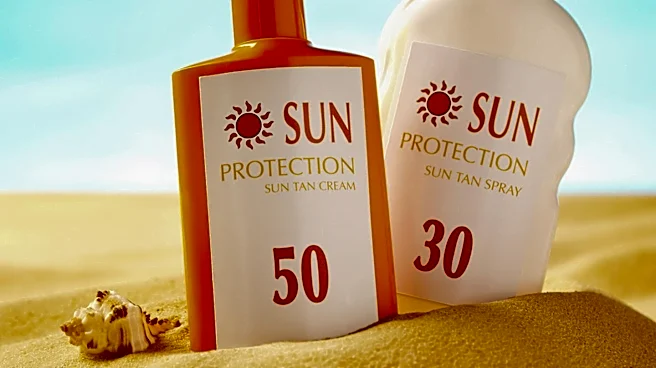
The U.S. Food and Drug Administration (FDA) has approved bemotrizinol, a new sunscreen ingredient, marking the first such approval in over 25 years. Bemotrizinol is a chemical UV filter that provides protection against both UVA and UVB rays with low absorption
into the skin. This approval aligns the U.S. with other countries that have used bemotrizinol safely for decades. The ingredient is expected to improve the effectiveness of sunscreens available in the U.S., which have lagged behind international standards due to stringent regulatory processes.
Why It's Important?
The approval of bemotrizinol is significant as it addresses the long-standing gap in sunscreen technology between the U.S. and other countries. This development is expected to enhance consumer confidence in sunscreen products and increase competition in the market. With bemotrizinol, U.S. consumers will have access to more effective sun protection, potentially reducing the risk of skin cancer and other sun-related skin damage. The move is also seen as a step towards modernizing the U.S. sunscreen market, which has been criticized for its outdated formulations.
What's Next?
Following the FDA's approval, sunscreen manufacturers are expected to reformulate their products to include bemotrizinol. This could lead to a wave of new sunscreen products hitting the U.S. market within the next few months. The approval may also prompt further regulatory reviews and approvals of other advanced sunscreen ingredients that are currently available in international markets. Consumers can anticipate a broader range of sunscreen options that offer better protection and skin compatibility.