







What's Happening?
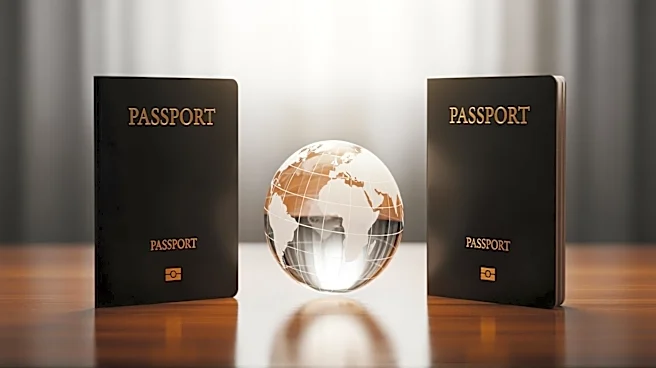
China is contemplating extending its visa-free policy for Russian travelers by an additional twelve months, potentially extending the arrangement into 2027. This policy, initially experimental, allows Russian nationals to enter China for thirty days without
a visa, and similarly, Chinese travelers enjoy the same ease when visiting Russia. This initiative is part of broader efforts to strengthen cross-border ties between the two nations, enhancing both tourism and business travel. The policy has already resulted in a significant increase in Russian visitors to China, with popular destinations including Beijing, Shanghai, and Hainan Island.
Why It's Important?
The extension of the visa-free policy between China and Russia is significant as it facilitates increased tourism and business exchanges, strengthening economic and cultural ties. This move is expected to boost the tourism industry in both countries, with potential economic benefits from increased visitor spending. For Russia, the policy supports its goal of attracting more Chinese tourists, which is crucial for its tourism sector's growth. The ease of travel also promotes business collaborations, potentially leading to increased trade and investment opportunities. This development reflects a strategic partnership between the two countries, enhancing their geopolitical and economic influence.
What's Next?
If the visa-free policy is extended, it could lead to further increases in travel between China and Russia, with both countries potentially exploring additional measures to facilitate cross-border movement. This could include improved transportation links and joint tourism promotions. The policy's success may encourage other countries to consider similar arrangements, promoting regional tourism and economic integration. Stakeholders in the tourism and hospitality industries are likely to monitor the policy's impact closely, adapting their strategies to capitalize on the increased flow of visitors. Additionally, ongoing diplomatic discussions may explore further areas of cooperation beyond tourism.