








What's Happening?
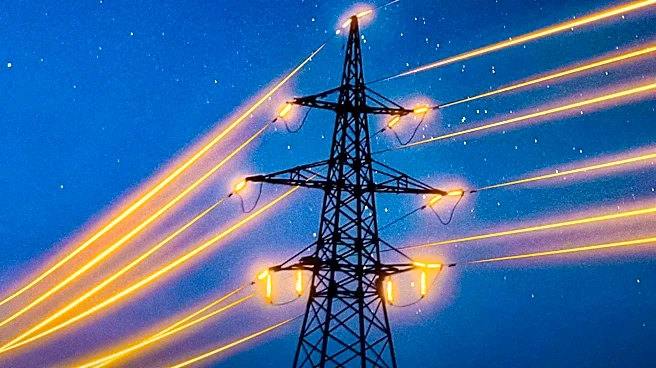
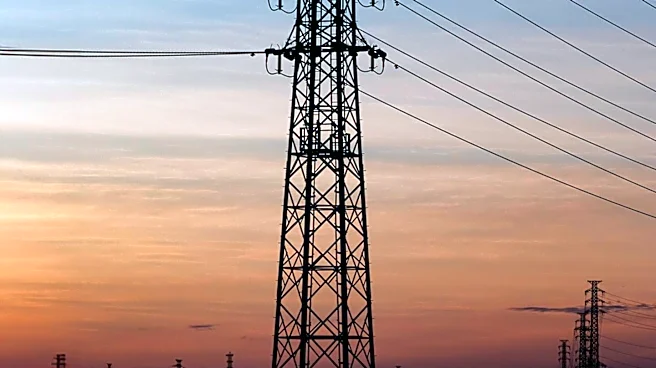
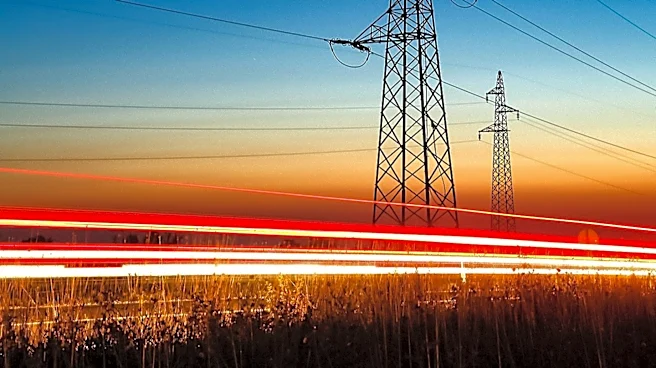
Power grid operators in the United States are warning of potential strain on the electric grid due to a severe heatwave coinciding with increased energy consumption driven by AI technologies. The heatwave is expected to intensify across central and eastern
parts of the country, with temperatures forecasted to exceed 100 degrees Fahrenheit. This surge in temperature is expected to push electricity demand to near-record levels, particularly as the Fourth of July holiday approaches. The largest regional grid operator, PJM Interconnection, anticipates a record summer electrical demand of 166.3 gigawatts, surpassing previous peaks. The demand is exacerbated by the growing energy needs of hyperscale data centers, which are heavily concentrated in northern Virginia. These centers, essential for processing AI tools, contribute significantly to the energy load.
Why It's Important?
The heatwave and subsequent energy demand highlight the vulnerabilities of the U.S. power grid, especially as it faces the dual pressures of climate change and technological advancements. The situation underscores the need for infrastructure improvements to accommodate rising energy demands from AI and other technologies. The potential for power outages could disrupt businesses, affect public safety, and strain emergency services. Additionally, the heatwave poses health risks, with authorities urging the public to stay hydrated and limit outdoor activities. The event serves as a critical reminder of the interconnectedness of climate change, technology, and energy infrastructure, necessitating strategic planning and investment to ensure resilience.
What's Next?
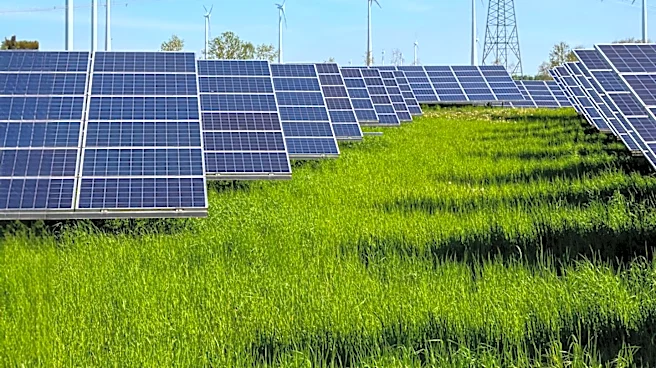
Grid operators and authorities are likely to monitor the situation closely, implementing measures to manage demand and prevent outages. This may include coordinating with neighboring grid operators for support and optimizing energy distribution. In the long term, there may be increased calls for investment in renewable energy sources and grid modernization to enhance capacity and reliability. Policymakers and industry leaders might also explore regulatory changes to facilitate faster development of new power plants and infrastructure. Public awareness campaigns could be intensified to encourage energy conservation during peak periods.