




What's Happening?
CorVista Health has announced a collaboration with Mayo Clinic to advance the diagnosis and management of pulmonary hypertension (PH) through next-generation, non-invasive diagnostics. The partnership aims to evaluate the effectiveness of the CorVista-PH
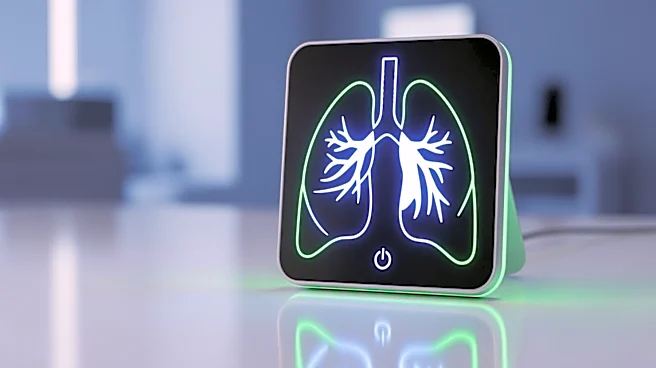
test, which has been cleared by the FDA, in improving the detection and referral accuracy for patients suspected of having PH. Pulmonary hypertension is a serious cardiovascular condition characterized by elevated pressure in the pulmonary arteries, often leading to delayed diagnosis due to overlapping symptoms with other diseases. The CorVista-PH test utilizes machine-learned algorithms to analyze cardiac and hemodynamic signals, offering a new approach to cardiovascular diagnostics. The collaboration will involve a prospective observational study to assess the test's impact when used alongside current diagnostic methods, with the goal of achieving earlier and more accurate detection of PH.
Why It's Important?
This collaboration is significant as it addresses a critical need in cardiovascular medicine for earlier and more accurate diagnosis of pulmonary hypertension, a condition that affects a significant portion of the population but is often underdiagnosed. By leveraging advanced diagnostic technology and Mayo Clinic's research expertise, the partnership aims to improve patient outcomes by facilitating timely and precise identification of PH. This could lead to better management and treatment strategies, ultimately reducing the burden of this life-threatening condition. The use of machine-learned algorithms in diagnostics represents a broader trend towards integrating artificial intelligence in healthcare, potentially transforming how complex diseases are detected and managed.
What's Next?
The collaboration will proceed with a prospective observational study to gather comprehensive evidence on the CorVista-PH test's effectiveness in clinical settings. The study will focus on improving detection and referral processes for PH patients, potentially influencing future diagnostic protocols. As the research progresses, it may prompt further integration of AI-driven diagnostics in cardiovascular care, encouraging other healthcare institutions to adopt similar technologies. The outcomes of this study could also inform policy changes and healthcare guidelines, emphasizing the importance of early detection in managing chronic diseases.