






What's Happening?
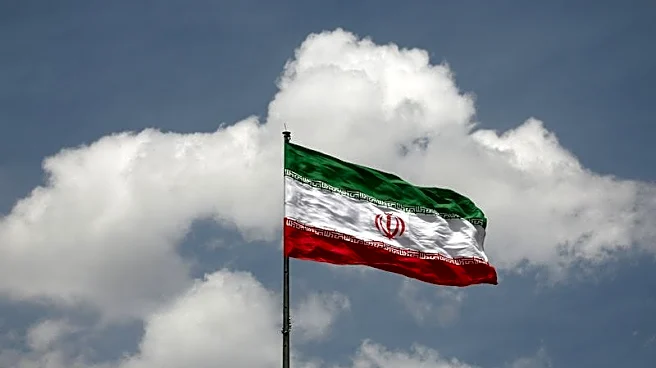
President Donald Trump has informed Congress that the ongoing ceasefire with Iran, which began on April 7, 2026, effectively terminates hostilities and negates the need for congressional approval for military action. This announcement comes as the 60-day
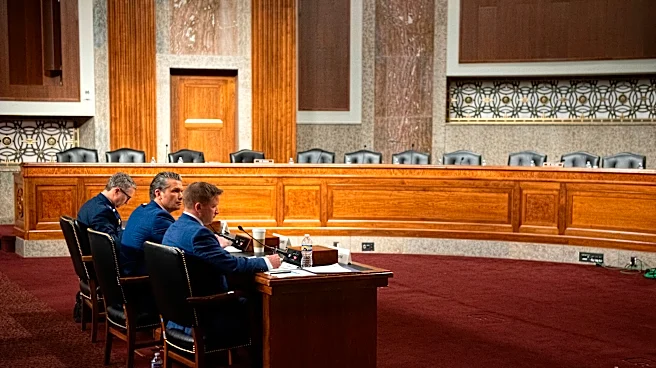
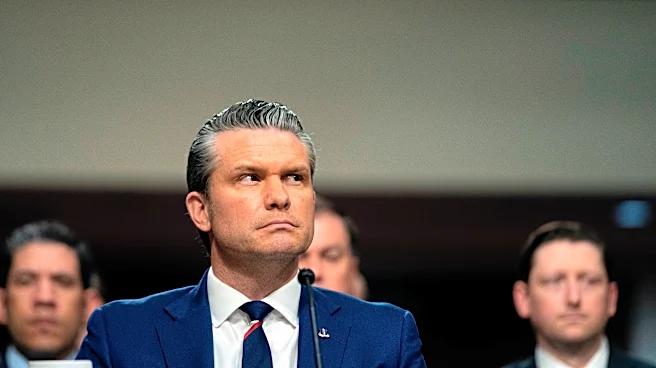
deadline under the War Powers Resolution approaches, which requires the president to seek congressional authorization for continued military engagement. U.S. Defense Secretary Pete Hegseth supported this interpretation, stating that the ceasefire pauses the 60-day clock. However, Democratic Senator Tim Kaine has expressed skepticism about this legal interpretation.
Why It's Important?
The assertion by President Trump that the ceasefire negates the need for congressional approval has significant implications for U.S. foreign policy and the balance of power between the executive and legislative branches. If accepted, this interpretation could set a precedent for future military engagements, potentially allowing the executive branch to bypass congressional oversight. This development also impacts U.S.-Iran relations, as it suggests a temporary halt in hostilities, which could open avenues for diplomatic negotiations. However, the lack of consensus on the legal interpretation may lead to political and legal challenges.
What's Next?
The next steps involve potential legal and political challenges to the administration's interpretation of the War Powers Resolution. Congress may seek to assert its authority, possibly through legislative or judicial means, to ensure compliance with the resolution. Additionally, the ceasefire provides a window for diplomatic efforts to address broader issues in U.S.-Iran relations, including nuclear negotiations and regional security concerns. The administration's approach to these negotiations will be closely watched by both domestic and international stakeholders.