




What's Happening?
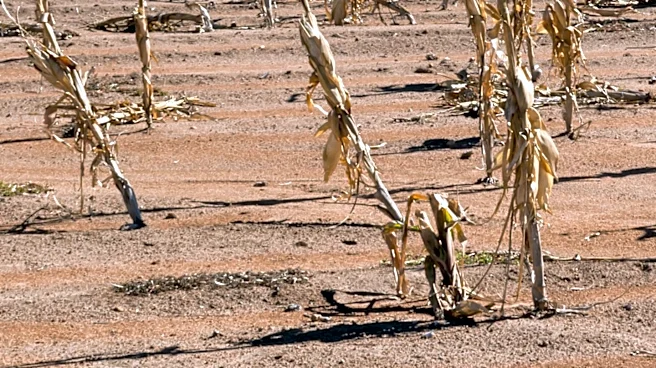
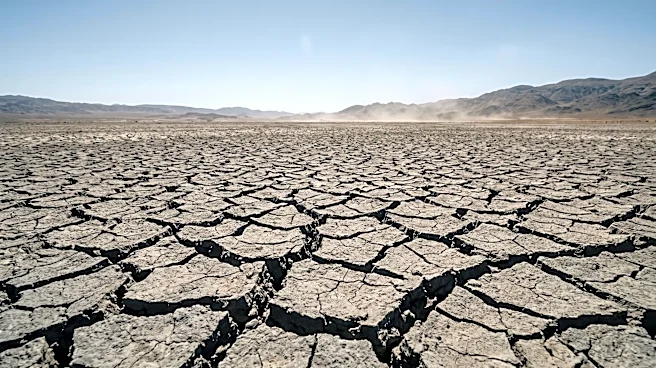
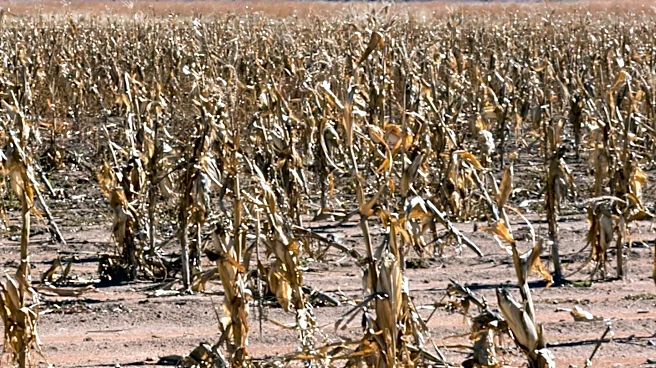
Nineteen agricultural emergency rooms across Darfur have issued a stark warning regarding the failure of the current farming season, leading to fears of an impending famine. Drought and irregular rainfall have devastated crops, with Justice Africa Sudan
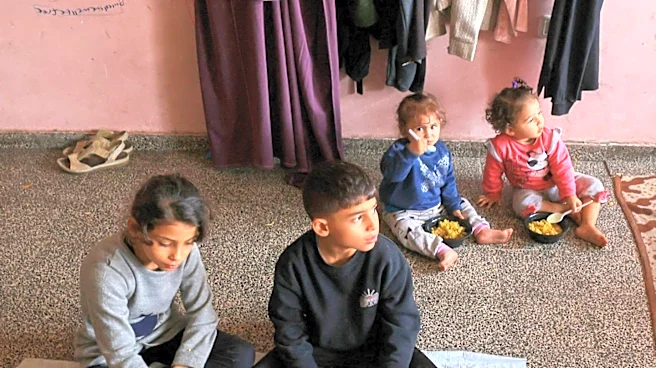
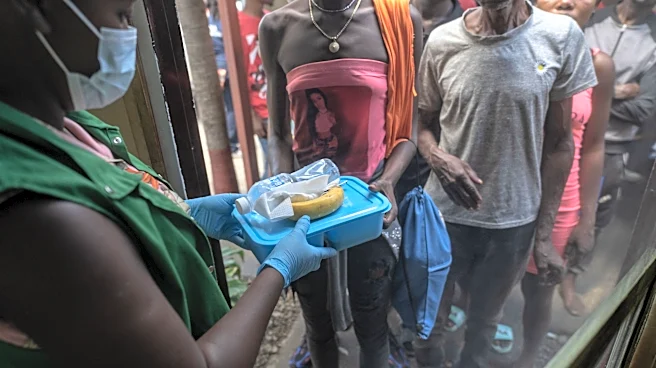
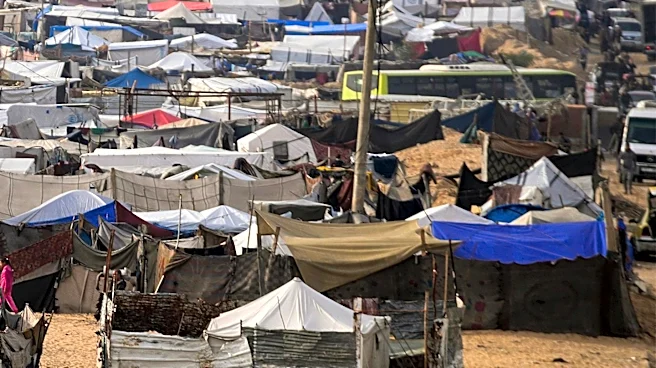
(JAS) estimating harvest losses of approximately 90% in key sorghum-producing regions. These regions traditionally supply staple food to over 70% of Sudan's population. The dire agricultural situation has forced thousands of families to flee their homes, with many seeking refuge in other areas of Darfur or crossing the border into Chad to escape hunger and loss of livelihoods. Between October 15 and November 6, approximately 538 families, totaling 3,227 individuals, arrived in various locations, and new arrivals continue to increase humanitarian needs at an alarming rate. The agricultural emergency rooms initially aimed to cultivate over 1,800 feddans but reduced the target to 1,100 feddans due to limited resources, insufficient rainfall, and inadequate funding, impacting over 1,000 beneficiaries. Rainfall was intermittent, leading to poor crop germination and subsequent crop failure in some cultivated areas.
Why It's Important?
The looming famine in Darfur represents a critical humanitarian crisis with severe implications for the region's population. The estimated 90% crop loss in sorghum-producing areas, which are vital for feeding over 70% of Sudan, indicates a widespread food insecurity crisis. This situation will exacerbate existing vulnerabilities, leading to increased displacement, malnutrition, and mortality rates. The mass displacement of families to other parts of Darfur and neighboring Chad will strain resources in host communities and create new humanitarian challenges. The call for an immediate and unconditional nationwide ceasefire, unhindered humanitarian access, and an adequately funded international emergency response by Justice Africa Sudan underscores the urgency of the situation. Without swift and comprehensive intervention, the crisis could lead to catastrophic loss of life and further destabilize an already fragile region. The decline in humanitarian assistance amid funding shortfalls and access restrictions further compounds the severity of the situation, leaving millions at risk.
What's Next?
Justice Africa Sudan (JAS) is urgently calling for an immediate and unconditional nationwide ceasefire to allow for humanitarian access and an adequately funded international emergency response. They emphasize the need to secure unhindered humanitarian access, protect and monitor aid corridors, and provide comprehensive emergency assistance covering food, nutrition, healthcare, water, sanitation, and livelihoods. Additionally, JAS advocates for an inclusive peace process and increased support for Sudanese civil society and local responders. The international community's response to these calls will be crucial in determining the scale of the humanitarian catastrophe. Without a ceasefire and robust international aid, the number of people facing acute food insecurity, currently over 75% of Sudanese, is expected to rise dramatically. Continued hostilities risk causing further displacement and preventable deaths. Monitoring the effectiveness of aid delivery and ensuring its reach to the most vulnerable populations will be a critical next step.
Beyond the Headlines
The crisis in Darfur extends beyond immediate food shortages, highlighting systemic issues of conflict, climate vulnerability, and governance. The failure of the agricultural season due to drought and irregular rainfall underscores the increasing impact of climate change on food security in already conflict-affected regions. The displacement of thousands of families not only creates immediate humanitarian needs but also disrupts social structures, education, and long-term development prospects. The call for an inclusive peace process by Justice Africa Sudan points to the understanding that humanitarian aid alone cannot solve the root causes of such crises. Sustainable solutions require addressing political instability, ensuring accountable governance, and building resilience against climate shocks. The situation also raises ethical questions about the international community's responsibility to protect vulnerable populations and ensure humanitarian principles are upheld in conflict zones, especially when aid access is restricted and funding is insufficient.