

What's Happening?
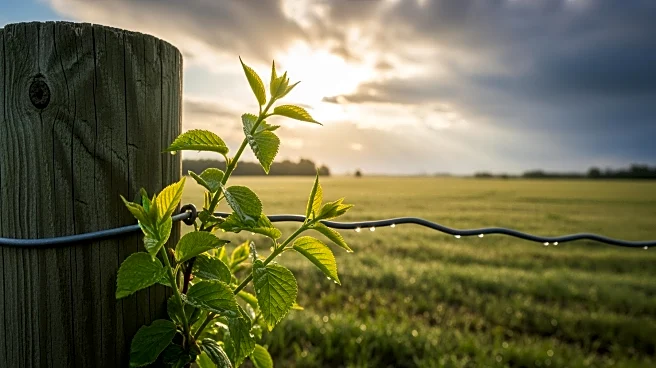
A proposed Florida law, known as the 'Florida Farm Bill,' is causing concern among environmental advocates and free speech proponents. The bill includes a provision that could financially penalize citizens, nonprofits, or journalists who criticize agricultural
companies. This provision, still present in the Florida House version of the bill, HB 433, would allow agricultural companies to sue for defamation and recover attorney fees, potentially costing defendants hundreds of thousands of dollars. Critics argue that this could limit First Amendment protections and reduce accountability for environmental practices.
Why It's Important?
The implications of the Florida Farm Bill are significant as it could have a chilling effect on free speech and public discourse. By potentially imposing hefty legal fees on critics, the bill may deter individuals and organizations from speaking out against harmful agricultural practices. This could hinder efforts to hold companies accountable for environmental damage, such as pollution and runoff that affect ecosystems like Lake Okeechobee. The bill raises concerns about the balance between protecting businesses and preserving the public's right to free speech and environmental advocacy.
What's Next?
The controversy surrounding the Florida Farm Bill is likely to continue as advocacy groups and concerned citizens push for changes to the legislation. The removal of the controversial provision from the Senate version of the bill indicates that there is room for negotiation and amendment. Stakeholders, including environmental groups and legal experts, are expected to continue lobbying for the protection of First Amendment rights and the accountability of agricultural companies. The outcome of this legislative process will have lasting implications for environmental policy and free speech in Florida.