


What's Happening?
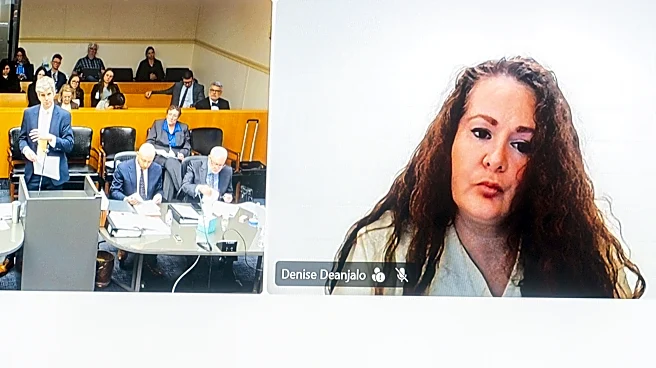
In the case of Charlie Kirk's killing, defense attorneys for Tyler Robinson, the accused shooter, argue that the death penalty should not be applied. They claim that Robinson 'hit the intended target' and did not endanger others when he shot Kirk from
a rooftop during an event at Utah Valley University. The defense contends that the bullet traveled above the crowd, posing no threat to the attendees. Prosecutors, however, argue that the presence of a 'zone of danger' around Kirk, where a stray bullet could have harmed others, qualifies the act as a capital crime. Robinson has been charged with aggravated murder but has not yet entered a plea. The defense also disputes claims that Robinson targeted Kirk due to his political views, despite prosecutors presenting evidence of Robinson's alleged confession and DNA linking him to the murder weapon.
Why It's Important?
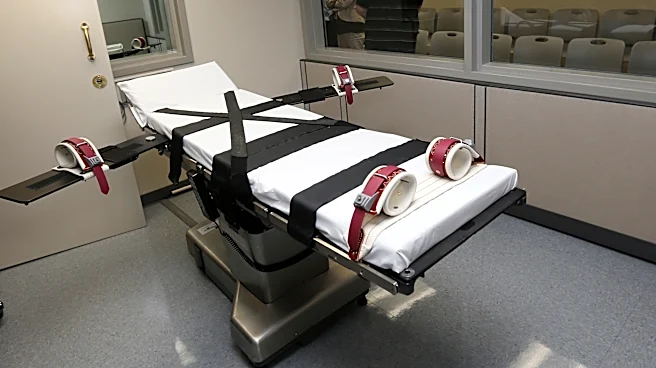
The case highlights significant legal and ethical questions surrounding the application of the death penalty, particularly in cases involving political figures and public events. The defense's argument that the shooting was a targeted attack without broader public risk challenges the criteria for capital punishment. This case could set a precedent for how 'zone of danger' is interpreted in future legal proceedings. Additionally, the case underscores the tensions between political activism and violence, as Kirk was a known conservative figure. The outcome could influence public discourse on political violence and the legal system's role in addressing such acts.
What's Next?
Closing arguments in the preliminary hearing are scheduled for September 1, after which State District Judge Tony Graf will decide if the case can proceed to trial and on what charges. Prosecutors have until August 18 to respond to the defense's latest arguments. The decision will determine whether Robinson faces trial for aggravated murder and if the death penalty remains a possibility. The case's progression will be closely watched by legal experts and the public, given its implications for legal standards and political violence.