




What's Happening?
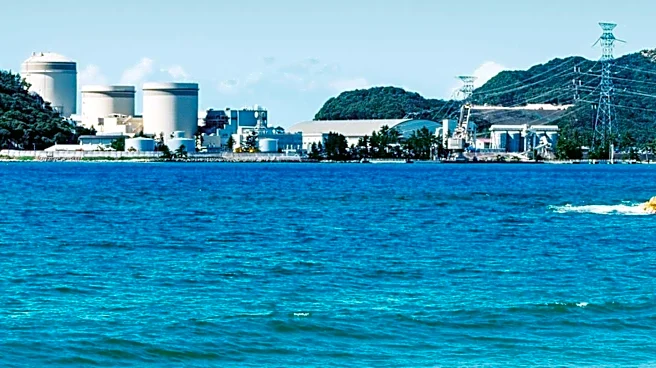
Chubu Electric Power Co. has withdrawn its applications for Nuclear Regulation Authority (NRA) safety screening for the restart of its No. 3 and No. 4 reactors at the Hamaoka nuclear plant in Shizuoka Prefecture, central Japan. This decision comes after
revelations of fraud involving earthquake-related data. The power utility had initially filed these applications in 2014 and 2015. During the screening process, it was discovered that Chubu Electric had selectively chosen earthquake motion data to establish quake-resistant design standards, creating the false impression of using an appropriate methodology. The misconduct was brought to light following a report from an external whistleblower in May of the previous year, leading to interviews with company officials by the NRA. Further investigations revealed attempts by the company to conceal the wrongdoing, including overwriting the manipulated data. According to the NRA, this marks the first instance of a screening application being withdrawn due to misconduct.
Why It's Important?
The withdrawal of Chubu Electric's applications has significant implications for nuclear energy policy and public trust in Japan. It effectively nullifies the progress made in the screening process, leaving the prospect of restarting the Hamaoka reactors uncertain. This incident underscores the critical importance of data integrity and transparency in the nuclear industry, particularly in a seismically active region like Japan. The revelation of data manipulation and subsequent attempts to hide it can erode public confidence in the safety assessments of nuclear power plants and the regulatory bodies overseeing them. For the energy sector, this setback could further delay the return of nuclear power, potentially impacting Japan's energy mix and reliance on other sources. It also highlights the challenges faced by utilities in meeting stringent safety standards and the potential for severe consequences when those standards are compromised through fraudulent practices.
What's Next?
The withdrawal of the applications means Chubu Electric must restart the entire safety screening process if it intends to pursue the restart of the No. 3 and No. 4 reactors. This will involve submitting new applications and undergoing a thorough review by the Nuclear Regulation Authority, likely with increased scrutiny given the past misconduct. The company will need to demonstrate a robust commitment to transparency and data accuracy to regain the trust of regulators and the public. This incident may also prompt the NRA to review its oversight mechanisms and potentially implement stricter protocols for data verification in future screening processes. Other nuclear power operators in Japan might face enhanced scrutiny as a result, leading to a broader re-evaluation of safety procedures and data handling across the industry. The timeline for any potential restart of the Hamaoka reactors is now significantly extended, with no clear end in sight.
Beyond the Headlines
This event extends beyond a mere procedural setback; it delves into the ethical responsibilities of corporations operating critical infrastructure. The deliberate manipulation of earthquake data, especially in a country with Japan's history of seismic activity and nuclear incidents, raises profound questions about corporate governance and accountability. The attempt to conceal the misconduct further exacerbates these concerns, suggesting a systemic issue rather than an isolated error. This case could serve as a precedent for how regulatory bodies address corporate fraud in high-stakes industries, potentially leading to more severe penalties and stricter enforcement actions globally. It also highlights the vital role of whistleblowers in uncovering such malpractices, emphasizing the need for robust protections for individuals who come forward with information about corporate wrongdoing. The long-term cultural impact could be a heightened public demand for transparency and ethical conduct from all major industries, particularly those with significant public safety implications.