





What's Happening?
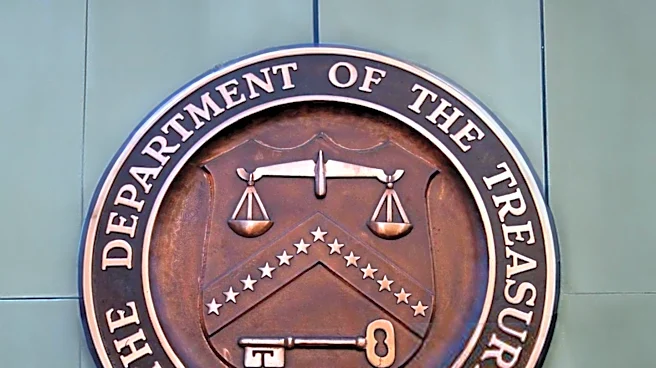
The U.S. Department of the Treasury’s Office of Cybersecurity and Critical Infrastructure Protection (OCCIP) has released its annual holiday advisory, warning consumers about a seasonal increase in cyber-enabled scams and online fraud. This advisory highlights
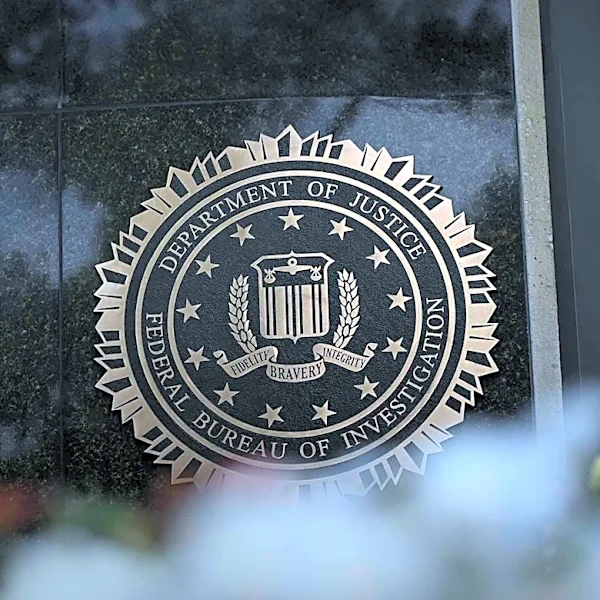
that cybercriminals are increasingly using 'super intelligence' (SI) to create more sophisticated and convincing scams. Cory Wilson, Deputy Assistant Secretary for Cyber Security and Critical Infrastructure Protection, stated that these criminals exploit SI to impersonate trusted individuals, businesses, and even loved ones, putting Americans' finances at risk. The Treasury Department emphasizes the importance of vigilance, proactive measures, and quick responses if individuals suspect they are being targeted. Consumers are encouraged to share their experiences to help others stay safe and to report any suspected scams to the Federal Trade Commission at ReportFraud.ftc.gov and the Federal Bureau of Investigation Internet Crime Complaint Center (IC3).
Why It's Important?
This advisory is crucial because it addresses a growing threat to American consumers, particularly during the holiday season when online activity and financial transactions increase. The use of 'super intelligence' by cybercriminals signifies an evolution in scam tactics, making fraudulent schemes more difficult to detect and increasing the potential for financial losses for individuals and businesses. The Treasury Department's emphasis on consumer resilience through education and awareness is vital for protecting the public from sophisticated impersonation attempts. The potential for widespread financial fraud can erode consumer trust in online platforms and financial institutions, impacting the broader economy. Furthermore, the call to report scams to federal agencies like the FTC and FBI is essential for law enforcement to track and combat these evolving cyber threats, safeguarding national economic stability and individual financial security.
What's Next?
In the immediate future, consumers are advised to remain highly vigilant, verify suspicious requests, recognize warning signs of fraud, and report all suspected scams to the appropriate authorities. The Treasury Department will continue its efforts to strengthen consumer resilience through ongoing education and awareness campaigns. Law enforcement agencies, including the FTC and FBI, will likely see an increase in reported fraud cases, which will inform their strategies for combating cybercrime. Financial institutions and online platforms may also enhance their security measures and consumer alerts in response to these evolving threats. The long-term implications could include further development of AI-powered cybersecurity tools to counter the sophisticated methods employed by cybercriminals, as well as potential legislative or regulatory actions aimed at protecting consumers from advanced cyber-enabled fraud.
Beyond the Headlines
The increasing use of 'super intelligence' by cybercriminals raises significant ethical and technological questions. The ability of AI to generate highly convincing impersonations blurs the lines between authentic and fraudulent communications, challenging traditional methods of verification. This development could lead to a societal shift in how individuals perceive and trust digital interactions, potentially fostering a climate of skepticism towards unsolicited communications. On a broader scale, it highlights the dual-use nature of advanced technologies, where tools designed for progress can also be weaponized for malicious purposes. The ongoing arms race between cybercriminals leveraging AI and cybersecurity experts developing countermeasures will likely shape the future of digital security and privacy, necessitating continuous adaptation and innovation in consumer protection strategies and technological defenses.