





What's Happening?
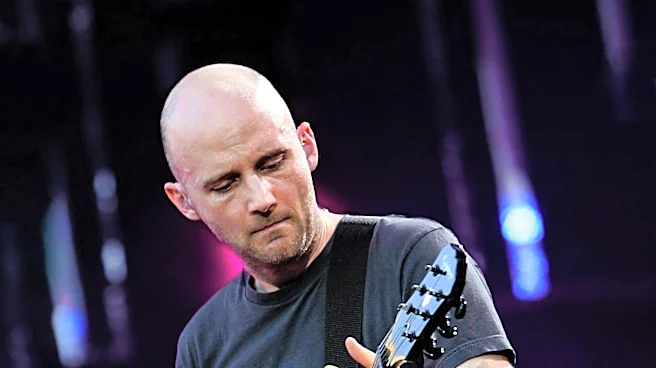
Musician Moby has shared insights into the profound influence of primatologist Dr. Jane Goodall, particularly highlighting her ability to captivate and even intimidate Hollywood's most prominent figures. Moby recounted an intimate birthday gathering for
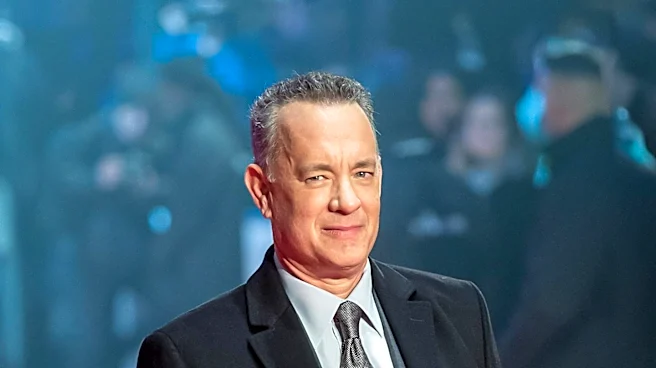
Goodall, organized by Leonardo DiCaprio, where attendees included Tom Hanks, Julia Roberts, James Cameron, and members of the Red Hot Chili Peppers. Despite their own celebrity status, Moby observed that these A-listers were notably deferential and nervous around Goodall, whom he described as 'the only real star in the room.' This anecdote underscores Goodall's unique standing and the deep respect she commanded, even among individuals accustomed to being at the pinnacle of fame. Moby also detailed his own long-standing commitment to animal rights, which began in his childhood and intensified into strict veganism by 1987. He has consistently used his platform and resources, including donating 100% of profits from tours and albums, to support animal rights organizations and campaigns against factory farming, even sporting tattoos proclaiming 'ANIMAL RIGHTS' and 'VEGAN FOR LIFE.'
Why It's Important?
This narrative is important as it illustrates the far-reaching impact of environmental and animal rights advocacy, demonstrating its ability to transcend traditional boundaries and influence diverse sectors of society, including the entertainment industry. The respect shown by Hollywood's elite towards Dr. Goodall signifies a broader societal recognition of the urgency and importance of her work on conservation and animal welfare. Moby's personal journey and unwavering commitment to animal rights, including significant financial contributions and public displays of his convictions, highlight the growing trend of celebrities leveraging their influence for social and environmental causes. This can inspire public engagement and shift cultural norms towards more ethical considerations regarding animal treatment and environmental sustainability. The story also emphasizes the power of authentic advocacy, as Moby notes Goodall's sincerity resonated deeply with people, contrasting with perceived disingenuousness in other public figures. This authenticity is crucial for building trust and driving meaningful change in complex global issues.
What's Next?
The continued advocacy by figures like Moby, coupled with the enduring legacy of Dr. Jane Goodall, suggests a sustained push for animal rights and environmental conservation within public discourse and the entertainment industry. We can anticipate more celebrities and public figures aligning themselves with similar causes, potentially leading to increased funding, awareness campaigns, and policy discussions. Moby's dedication, including his financial contributions and public statements, sets a precedent for how artists can actively participate in social change. This could encourage other influential individuals to adopt more direct and substantial roles in advocacy, moving beyond mere endorsements to active participation and financial backing. Furthermore, the emphasis on authenticity in advocacy, as highlighted by Moby's observations of Goodall, may influence how future campaigns are structured, prioritizing genuine commitment over superficial celebrity endorsements to achieve greater public resonance and impact. The ongoing efforts to combat factory farming and promote veganism are likely to gain further momentum, potentially influencing consumer choices and agricultural policies.
Beyond the Headlines
The story delves into the deeper implications of how moral authority, exemplified by Dr. Jane Goodall, can command respect even from those accustomed to being revered. It highlights a cultural shift where scientific and ethical leadership, particularly in environmental and animal welfare, is increasingly valued and recognized as a form of 'stardom' that transcends traditional celebrity. Moby's personal narrative, rooted in a childhood surrounded by rescued animals and a subsequent realization of the 'glaring inconsistency' in his own consumption habits, offers a powerful insight into the ethical awakening that drives many advocates. This personal transformation, from consuming animal products to becoming a staunch vegan activist, underscores the profound ethical dimensions of animal rights. The narrative also touches upon the long-term societal shift towards questioning the ethics of human-animal relationships and the environmental impact of food systems. The willingness of individuals like Moby to make significant personal and financial sacrifices for a cause 'bigger than yourself' reflects a growing moral imperative to address global challenges, suggesting a potential for broader societal re-evaluation of values and priorities.