




What's Happening?
U.S. Vermont Congresswoman Becca Balint celebrated a $1.75 million federal appropriation for the redevelopment of 30 units at Melrose Terrace in Brattleboro, Vermont. This funding is part of a larger effort to revitalize the housing development, which
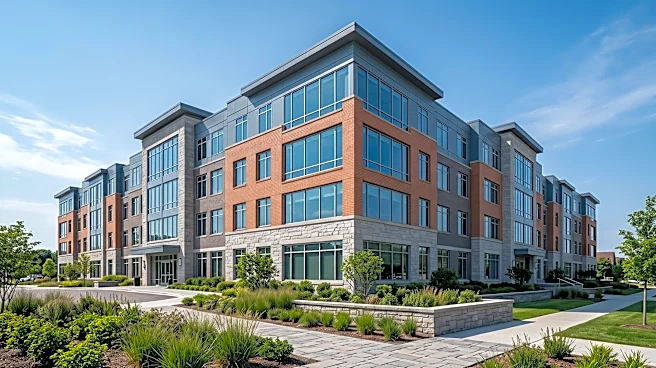
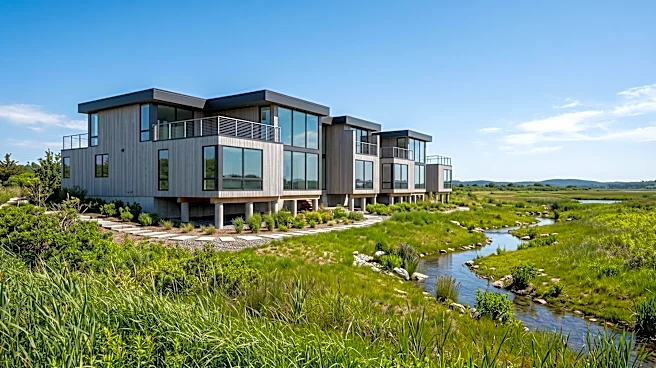
was severely impacted by Tropical Storm Irene in 2011, leading to the evacuation of 60 out of 80 residents. Following the storm, Brattleboro Housing Partnerships engaged in extensive discussions with FEMA and the town of Brattleboro. The plan involves removing 11 of the 16 original buildings to create a flood-safe open space, allowing the Whetstone Brook to expand during heavy rains, and constructing new housing for residents outside the flood zone. The new housing units are specifically intended for older residents. University of Vermont Extension Assistant Professor Mariya Shcheglovitova has been instrumental in gathering data and creating a StoryMap to visually explain the project, including before-and-after images of the floodplain and a 2024 FEMA letter revising the flood map to reflect reduced flood risk.
Why It's Important?
This federal appropriation is crucial for providing safe and resilient housing for older residents in Brattleboro, particularly those displaced by past natural disasters. The redevelopment project at Melrose Terrace serves as a model for communities facing similar challenges of flood risk and the need for sustainable housing solutions. By creating flood-safe open spaces and relocating housing out of high-risk areas, the initiative aims to protect residents from future environmental impacts and ensure long-term community stability. The involvement of UVM Extension highlights the importance of data-driven approaches and community engagement in urban planning and disaster recovery efforts. The project also addresses the broader goal of allowing Vermonters to age well in Windham County, aligning with the state's Age Strong VT initiative, which focuses on health, wellness, transportation, healthcare workforce, and housing for older populations.
What's Next?
The next steps for the Melrose Terrace redevelopment will involve the continued construction and eventual occupancy of the 30 new units. A key challenge will be to reassure long-time community members that the redeveloped land is safe, given its history of repeated flooding. Visual aids like the StoryMap, which demonstrates the reduction in flood risk through FEMA's revised flood maps, will be vital in this communication effort. The project's success could influence future housing and flood mitigation strategies in other vulnerable areas across Vermont and potentially serve as a case study for federal agencies like FEMA. Additionally, the ongoing collaboration between Brattleboro Housing Partnerships, UVM Extension, and local government will continue to monitor the project's impact and inform future community development initiatives focused on aging in place and climate resilience.
Beyond the Headlines
The Melrose Terrace project underscores the complex interplay between climate change, housing security, and community resilience. It highlights the ethical responsibility of urban planners and policymakers to protect vulnerable populations from environmental hazards while providing dignified living conditions. The use of 'radical collaboration' among various organizations, as described by Erin Wessel of Brattleboro Memorial Hospital, suggests a shift towards more integrated and trust-based approaches in community problem-solving. This collaborative model, which emphasizes transparency, curiosity, and joint problem-solving, could be a blueprint for addressing multifaceted challenges beyond housing, such as healthcare access and economic development in rural areas. The project also touches upon the psychological aspect of rebuilding trust in areas previously deemed unsafe, emphasizing the need for clear communication and tangible evidence of safety improvements.