


What's Happening?
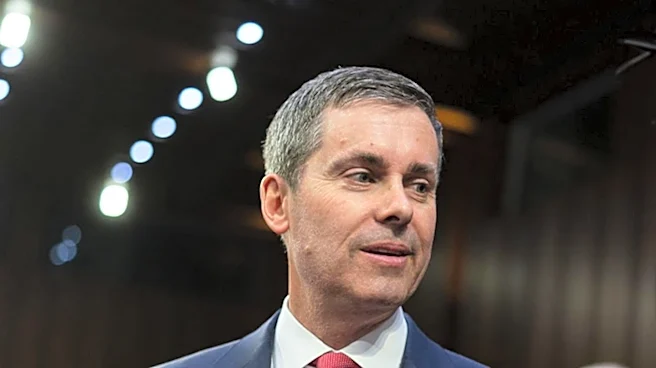
Representative Andrew Clyde, serving Georgia's 9th district, has been actively involved in legislative efforts aimed at undermining the District of Columbia's Home Rule. Clyde has co-sponsored and introduced several bills targeting legislation passed
by the DC Council. Notably, he has introduced four bills in the current Congress, including H.R. 1774, which seeks to withhold federal funds from DC until 'Black Lives Matter' is removed from 16th Street and all DC government websites and documents. Another bill, H.R. 4788, aims to allow Members of Congress to use their concealed carry permits from other states to carry guns in DC. Additionally, H.R. 5107, known as the CLEAN DC Act, proposes repealing the Comprehensive Policing and Justice Reform Amendment Act of 2022. H.R. 6372 seeks to repeal the DC Human Rights Sanctuary Amendment Act of 2022, which protects reproductive freedom and bodily autonomy. Clyde has consistently voted in favor of all 11 DC attack bills that have been presented in the current Congress.
Why It's Important?
The actions of Representative Clyde highlight ongoing tensions between federal oversight and local governance in the District of Columbia. His legislative efforts reflect a broader political strategy to challenge DC's autonomy, particularly in areas related to policing, gun control, and human rights. These bills, if passed, could significantly alter the legal and social landscape of DC, affecting its residents' rights and the city's governance. The push to repeal or modify DC's local laws underscores the complex relationship between federal authority and local self-determination, raising questions about the balance of power and the future of DC's legislative independence. Stakeholders, including DC residents and local government officials, stand to be directly impacted by these legislative changes, potentially leading to increased political activism and advocacy for DC statehood.
What's Next?
As these bills progress through Congress, they are likely to face significant debate and opposition, particularly from those advocating for DC's autonomy and statehood. The outcome of these legislative efforts could influence future discussions on DC's status and governance. Political leaders and civil society groups may intensify their efforts to either support or counter these bills, depending on their stance on DC's self-governance. The broader implications of these legislative actions could also affect national conversations about federalism and local control.