






What's Happening?
Copenhagen, Denmark, is offering a 'Copenhagen Card' that provides tourists with free entry to more than 80 museums and attractions, alongside unlimited public transportation across the entire capital region, including the airport. This digital card,
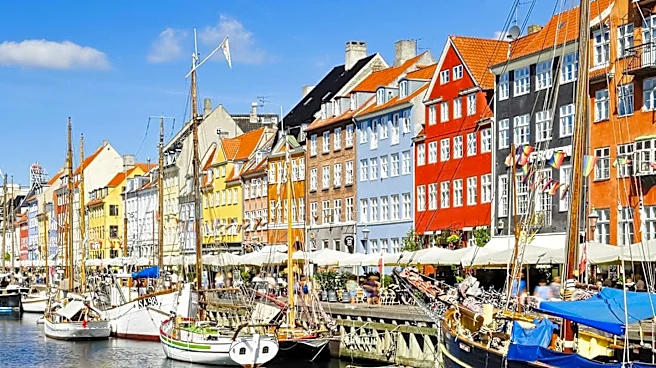
accessible via an app, is available for durations of 24, 48, 72, 96, or 120 hours from its first use. Key attractions covered by the card include Tivoli, Rosenborg Palace, Amalienborg Palace, the Round Tower, and canal tours. The card aims to simplify tourism in the Danish capital, which is known for its cycling culture, historic royal palaces, and vibrant Nyhavn harbor. Many museums in Copenhagen are closed on Mondays, a factor visitors should consider when planning their card usage. The card is designed for a single visit per attraction and is particularly beneficial for families, couples, solo travelers, and first-time visitors looking to cover essential sights efficiently.
Why It's Important?
While this news directly concerns tourism in Copenhagen, Denmark, it holds indirect importance for the U.S. travel industry and American tourists. The availability of such a comprehensive pass can significantly influence travel decisions for U.S. citizens planning international trips, potentially making Copenhagen a more attractive and accessible destination. For U.S. travel agencies and tour operators, understanding and promoting such passes can enhance their offerings for European travel packages. The ease of access to attractions and public transport, coupled with potential cost savings, could lead to an increase in American visitors to Copenhagen, thereby boosting the local Danish economy through tourism revenue. Conversely, U.S. cities and tourism boards might analyze the success of such integrated passes to consider implementing similar models to attract international visitors, including those from Denmark, to their own destinations. This initiative highlights a growing trend in global tourism towards integrated, digital solutions for visitor convenience.
What's Next?
The Copenhagen Card is expected to continue being a central component of Copenhagen's tourism strategy, with potential for further integration of services and attractions. As digital solutions become more prevalent in the travel sector, there may be future enhancements to the card's app functionality, such as real-time queue information or personalized itinerary suggestions. Tourism authorities in Copenhagen will likely monitor visitor feedback and usage patterns to refine the card's offerings and validity periods. For U.S. travelers, the card will remain a convenient option for exploring Copenhagen, and its continued promotion by travel platforms and agencies will be crucial. Other international cities, including those in the U.S., might observe the effectiveness of the Copenhagen Card model and consider developing similar all-inclusive passes to streamline visitor experiences and boost their own tourism sectors, especially as global travel continues to recover and evolve.
Beyond the Headlines
The Copenhagen Card reflects a broader global trend in urban tourism towards creating seamless, all-in-one visitor experiences. This approach not only simplifies logistics for tourists but also encourages deeper engagement with a city's cultural and historical offerings by removing financial and logistical barriers. The emphasis on a digital card aligns with increasing consumer preference for mobile-first solutions and contactless transactions, a shift accelerated by recent global health concerns. Furthermore, the card's inclusion of public transport promotes sustainable tourism by encouraging the use of eco-friendly transportation options over private vehicles. This model could influence urban planning and tourism development in other major cities worldwide, including those in the U.S., by demonstrating the economic and environmental benefits of integrated visitor passes. It also underscores the importance of public-private partnerships in developing comprehensive tourism products that cater to the evolving needs of international travelers.