






What's Happening?
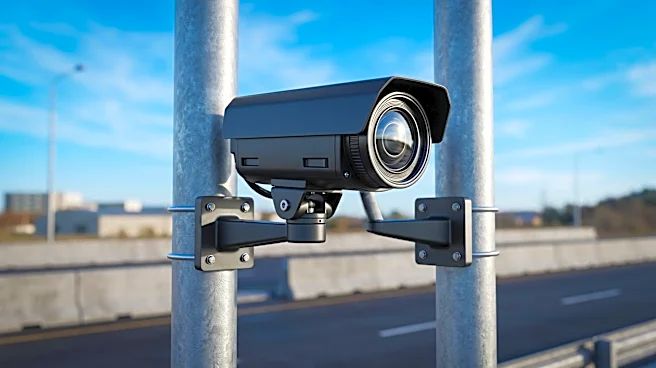
Senator Cory Booker (D-New Jersey) is actively participating in a bipartisan effort in Congress to establish federal regulations for automated license plate readers (ALPRs). This initiative stems from growing concerns across the political spectrum regarding
the widespread use of this technology by law enforcement and its potential for mass surveillance. Lawmakers from both parties, including Senator Josh Hawley (R-Missouri) and Representative Greg Steube (R-Florida), have voiced concerns about the lack of national oversight for ALPR systems, particularly those operated by companies like Flock Safety, which maintains a vast network of over 120,000 cameras across 49 states. The bipartisan consensus highlights a shared belief that federal action is necessary to address privacy implications and potential abuses of this technology. Several legislative proposals are pending or expected on Capitol Hill, aiming to either ban or limit mass surveillance technologies, with some advocating for warrant requirements to access ALPR data.
Why It's Important?
The bipartisan push for federal regulation of ALPRs is significant because it addresses a critical intersection of public safety, individual privacy, and technological advancement. The current patchwork of local rules governing ALPR use has led to inconsistencies and concerns about potential constitutional violations, particularly regarding Fourth Amendment protections against unreasonable search and seizure. The ability of law enforcement agencies to share data across a nationwide network without clear federal guidelines raises questions about the scope of surveillance and the potential for misuse, such as tracking individuals for non-criminal purposes or personal retaliation. Establishing national standards could provide much-needed clarity and accountability, ensuring that these powerful tools are used responsibly while safeguarding civil liberties. This effort could set a precedent for how Congress approaches regulating emerging surveillance technologies in the future, balancing security needs with privacy rights.
What's Next?
With multiple legislative proposals already introduced or anticipated, the next steps will likely involve congressional hearings, debates, and potential votes on various bills aimed at regulating ALPR technology. The bipartisan nature of this concern suggests a higher likelihood of legislative action, even in a politically divided Congress. Lawmakers will need to reconcile differing approaches, ranging from outright bans to warrant requirements and data retention limits. The outcome could significantly impact how law enforcement agencies utilize ALPRs, potentially leading to stricter oversight, increased transparency, and enhanced protections for individual privacy. The ongoing dialogue between Congress, technology providers like Flock Safety, and civil liberties advocates will be crucial in shaping the final regulatory framework.
Beyond the Headlines
Beyond the immediate legislative efforts, the debate over ALPRs touches upon deeper societal questions about the balance between security and freedom in an increasingly digital world. The technology's capacity for pervasive tracking raises ethical concerns about the erosion of anonymity and the potential for a '1984 totalitarian-type environment,' as described by Representative Greg Steube. The legal implications are also profound, as evidenced by a federal judge's ruling that an officer's warrantless use of ALPRs violated the Fourth Amendment. This ongoing discussion could influence public perception of surveillance technologies and prompt broader conversations about data privacy, government oversight, and the constitutional rights of citizens in the digital age. The resolution of this issue could shape future policies on how emerging technologies are integrated into law enforcement practices while upholding democratic values.