

What's Happening?
Republicans in U.S. farm states are confronting a challenging political landscape as the 2026 midterm elections approach. These lawmakers find themselves in a difficult position, needing to defend President Trump's policies while simultaneously addressing
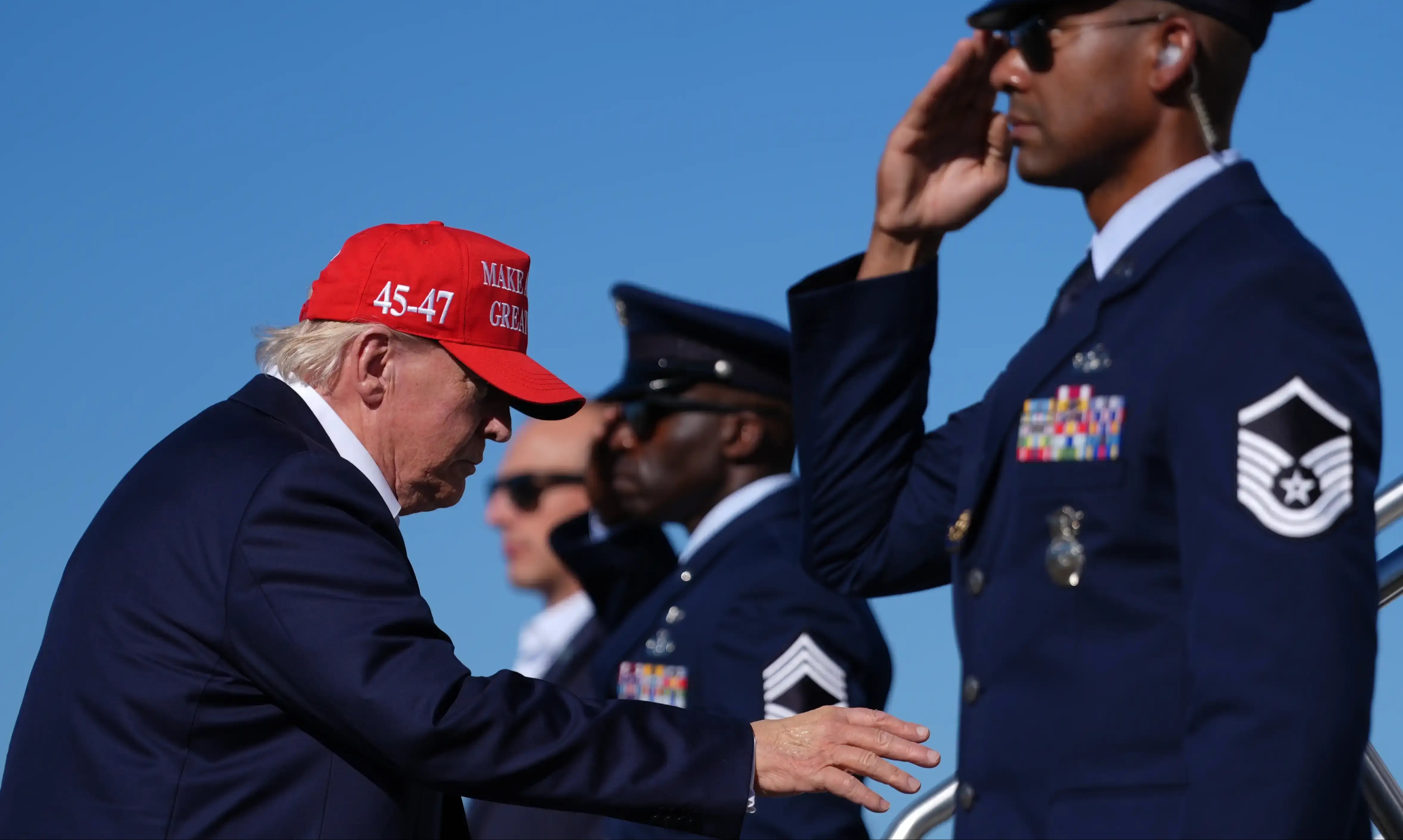
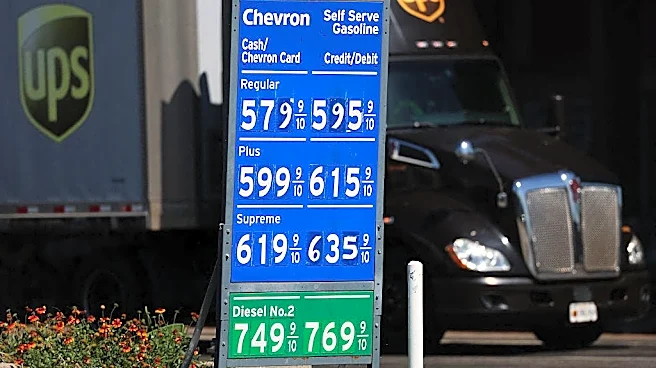
the negative economic impacts these policies have on their agricultural constituents. Key issues include tariffs, increased beef imports, and high fuel and fertilizer prices, all of which are significantly affecting farming communities. For instance, diesel prices recently hit a record high of $5.90, and gasoline reached approximately $4.15 a gallon over Labor Day weekend, largely due to the ongoing war with Iran. The escalating trade dispute with Canada is also threatening agricultural exports and increasing the cost of machinery. Furthermore, a recent Trump administration decision to temporarily expand tariff-free imports of lean beef has drawn criticism from cattle ranchers. Representative Zach Nunn of Iowa, who represents a swing district, has voiced concerns about the beef imports to U.S. Trade Representative Jamieson Greer and planned to raise the issue directly with President Trump. This situation highlights a growing tension within the Republican party, particularly in regions that have historically been strongholds for President Trump.
Why It's Important?
This political bind for farm state Republicans is significant because it underscores a potential shift in voter sentiment within a crucial demographic for the Republican party. Agricultural communities, which largely supported President Trump in 2024, are now experiencing direct economic hardship from his administration's policies. The struggle of these lawmakers to reconcile their support for the President with the needs of their constituents could impact the outcome of the upcoming midterm elections. If these economic pressures continue, it could lead to a decline in Republican support in these areas, potentially altering the balance of power in Congress. The situation also highlights the broader economic consequences of trade disputes and geopolitical events, such as the war with Iran, on specific U.S. industries. The administration's argument that increased beef imports will lower consumer costs is being met with skepticism by those directly affected, indicating a disconnect between policy goals and on-the-ground realities for farmers and ranchers. This dynamic could force the Republican party to re-evaluate its approach to trade and agricultural policies to maintain its base.
What's Next?
As the midterm elections draw closer, farm state Republicans will likely continue to navigate this delicate balance. They may intensify their efforts to communicate constituent concerns to the Trump administration, potentially seeking modifications to existing policies or advocating for compensatory measures for affected farmers. The administration, in turn, might face increased pressure to address these economic grievances to prevent further erosion of support in key agricultural states. The upcoming inflation data and economic reports will be closely watched, as continued high prices for fuel and other agricultural inputs could exacerbate the political challenges for these lawmakers. The outcome of these internal party discussions and any policy adjustments made in response will be critical in shaping the political narrative leading up to November. Furthermore, the performance of candidates like Representative Zach Nunn in swing districts will serve as an indicator of how effectively Republicans can manage this political tightrope and retain the loyalty of their farm state voters.
Beyond the Headlines
The challenges faced by farm state Republicans reveal deeper implications regarding the evolving relationship between political leadership and its base, particularly when economic policies have unintended consequences. This situation highlights the tension between national policy objectives, such as trade negotiations and inflation control, and their localized impacts on specific industries and communities. It also brings into focus the concept of political loyalty versus economic self-interest among voters. While many rural voters have shown strong support for President Trump, the sustained economic strain could test the limits of that loyalty. This scenario could lead to a re-evaluation of how political parties engage with and represent the diverse economic interests within their coalitions. Furthermore, it underscores the ethical dimension of policy-making, where decisions aimed at broader economic goals might disproportionately affect certain segments of the population, raising questions about fairness and equitable distribution of economic burdens. The long-term shift could see a more nuanced approach to trade and agricultural policy, or a deepening divide between the economic realities of rural America and the national political agenda.