



What's Happening?
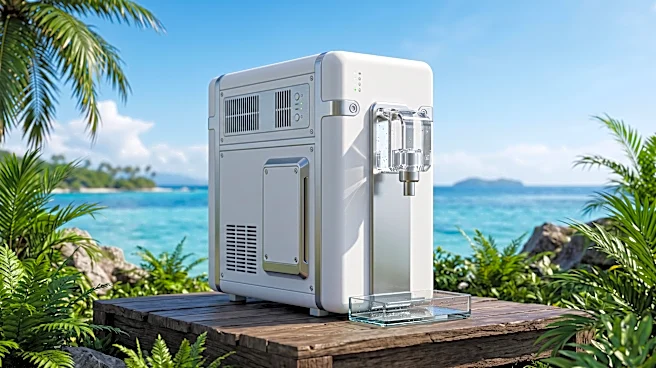
Ambassador Mattanya Cohen and Deputy Chief of Mission Anya Yonatan Leus, alongside First Lady of the Republic Maricel Cohen de Mulino and Panama City Mayor Mayer Mizrachi, inaugurated a Watergen GEN-M1 atmospheric water generator on Pedro González Island
in the Pearl Islands Archipelago. This initiative provides over one thousand people with access to safe drinking water through innovative Israeli technology. The Watergen GEN-M1 is capable of producing up to 220 liters of drinking water per day from air humidity. This project stems from Mayor Mizrachi's official visit to Israel in September 2025, during which the donation of two Watergen GEN-M1 units was secured. Previously, the community relied on wells and rainwater collection, which incurred high costs and contamination risks associated with bottled water transport. The new technology can produce approximately 1,200 glasses of drinking water daily, meeting international quality standards and offering cold, ready-to-drink water with low energy consumption. A second unit is planned for installation in East Panama to benefit other underserved communities.
Why It's Important?
This deployment of Watergen technology in Panama highlights a significant advancement in addressing water scarcity challenges, particularly in remote or underserved regions. The ability to generate potable water from atmospheric humidity offers a sustainable and cost-effective alternative to traditional water sources like wells and rainwater collection, which often carry risks of contamination and high logistical costs. For communities, this means improved public health outcomes due to access to clean, safe drinking water, reducing waterborne diseases and reliance on expensive bottled water. The low energy consumption of the Watergen units also aligns with global efforts towards sustainable development and reduced carbon footprints. This project serves as a model for other nations facing similar water access issues, demonstrating how technological innovation and international cooperation can provide tangible benefits to vulnerable populations and enhance overall quality of life.
What's Next?
Following the successful inauguration on Pedro González Island, a second Watergen GEN-M1 unit is slated for installation in East Panama. This expansion indicates a broader strategy to leverage this technology to benefit additional underserved communities within the country. The success of these initial deployments could pave the way for further adoption of atmospheric water generation technology across Panama and potentially other regions facing water scarcity. Continued monitoring of the units' performance, water quality, and community impact will be crucial. The initiative also sets a precedent for future international collaborations focused on technological solutions for essential resource provision, potentially influencing policy decisions regarding water infrastructure and sustainable development in other developing nations.
Beyond the Headlines
The implementation of Watergen technology extends beyond merely providing drinking water; it represents a paradigm shift in how communities can achieve water independence and resilience. By harnessing atmospheric humidity, the technology mitigates reliance on finite or vulnerable traditional water sources, offering a decentralized solution that can be particularly impactful in areas prone to drought or lacking robust water infrastructure. This approach also reduces the environmental footprint associated with water transportation and plastic bottle waste. Furthermore, the project underscores the growing importance of technological innovation in addressing global challenges, fostering a model where advanced solutions can be tailored to local needs. The long-term implications include enhanced community self-sufficiency, reduced health disparities linked to water quality, and a potential shift in global water management strategies towards more localized and sustainable methods.