




What's Happening?
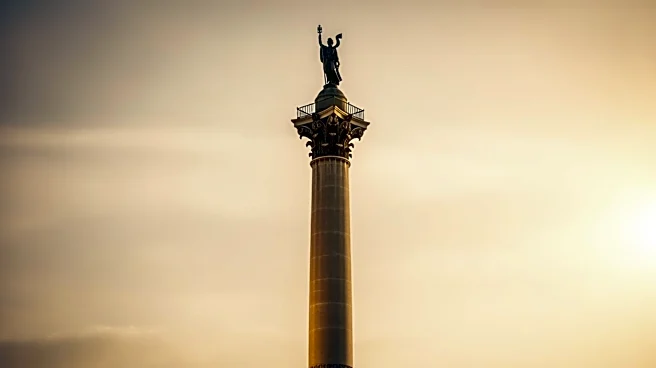
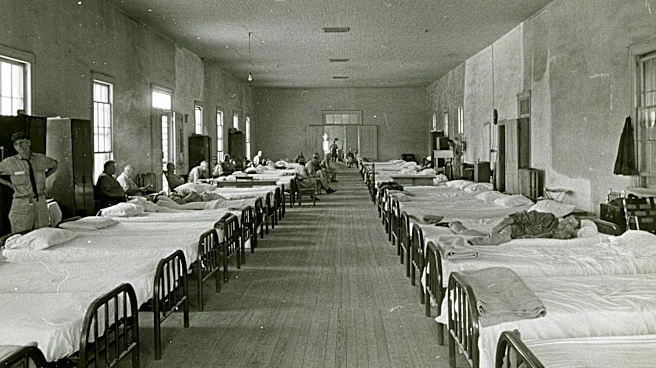
In Massachusetts, Memorial Day is being observed with various ceremonies and closures. The day is a state and federal holiday dedicated to remembering the men and women who lost their lives while serving in the U.S. armed forces. Significant displays,
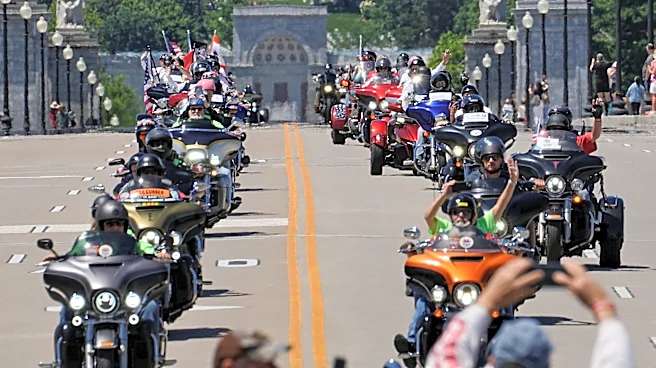
such as the planting of 37,000 American flags on Boston Common, are part of the commemorations. Parades and ceremonies are taking place across the state to honor the fallen. On this day, public schools and libraries are closed, and the Massachusetts Bay Transportation Authority (MBTA) is operating on a modified schedule, with subway and bus services running on a Sunday schedule and the Commuter Rail on a weekend schedule. Most stores remain open, but liquor sales are restricted until after noon, and all Registry of Motor Vehicles (RMV) offices are closed.
Why It's Important?
Memorial Day serves as a poignant reminder of the sacrifices made by military personnel, fostering a sense of national unity and respect for those who served. The holiday impacts various sectors, including education and public services, as schools and government offices close, affecting daily routines. Retail and transportation sectors adjust operations, reflecting the holiday's significance and the need for public participation in commemorative events. The observance also highlights the cultural importance of honoring military service, reinforcing values of patriotism and community solidarity. For businesses, the day can influence consumer behavior, with many taking advantage of sales and promotions, while transportation adjustments accommodate those attending memorial events.
What's Next?
Following Memorial Day, Massachusetts will resume normal operations, with schools and government offices reopening. The state will continue to prepare for other significant holidays and events that require similar logistical adjustments. The impact of Memorial Day on public sentiment and community engagement may influence future commemorative practices and public policy regarding veterans' affairs. Stakeholders, including local governments and veterans' organizations, may assess the effectiveness of current observance practices and consider enhancements for future events to ensure continued public participation and respect for military service.