







What's Happening?
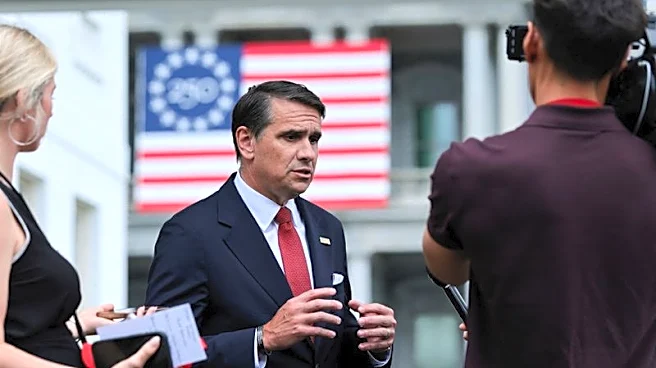
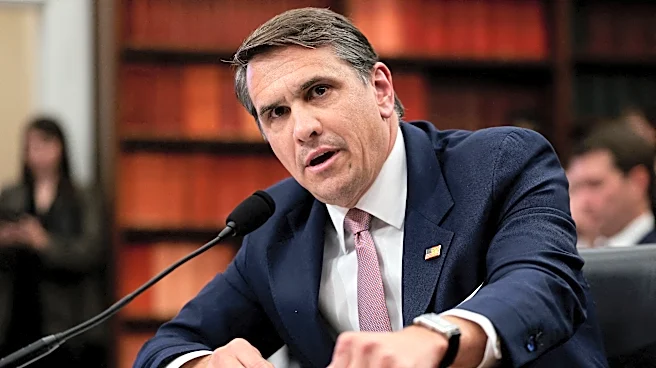
The Trump administration's proposed $1.776 billion Anti-Weaponization Fund, intended to compensate individuals allegedly targeted by the Biden-era Justice Department, is facing significant political hurdles. Acting Attorney General Todd Blanche recently
testified before Congress, stating that the fund would not proceed. However, behind the scenes, there are indications that the administration is exploring ways to keep the fund alive. The fund, which has been criticized as a political slush fund, aims to provide financial restitution to Trump loyalists, including those involved in the January 6 Capitol riot. Despite public assurances of its abandonment, internal discussions suggest that the administration is considering alternative methods to facilitate payouts, potentially through lawsuits against the government.
Why It's Important?
The controversy surrounding the Anti-Weaponization Fund highlights the ongoing political tensions within the U.S. government. If implemented, the fund could set a precedent for using taxpayer money to compensate individuals involved in politically charged events, raising ethical and legal questions. The fund's potential revival could impact the political landscape, influencing public perception of the Trump administration and its handling of justice-related issues. Additionally, the fund's fate may affect the confirmation of Todd Blanche as Attorney General, as Republican senators express concerns over the fund's implications.
What's Next?
The future of the Anti-Weaponization Fund remains uncertain, with the Trump administration waiting for opposition to subside. The confirmation process for Todd Blanche as Attorney General could be pivotal, as his ability to reassure skeptical senators about the fund's status may determine his nomination's success. Meanwhile, the administration may continue to explore legal avenues to facilitate payouts, potentially leading to further political and legal challenges. The outcome of these efforts could have significant implications for the administration's ability to implement its agenda and maintain support among its base.