





What's Happening?
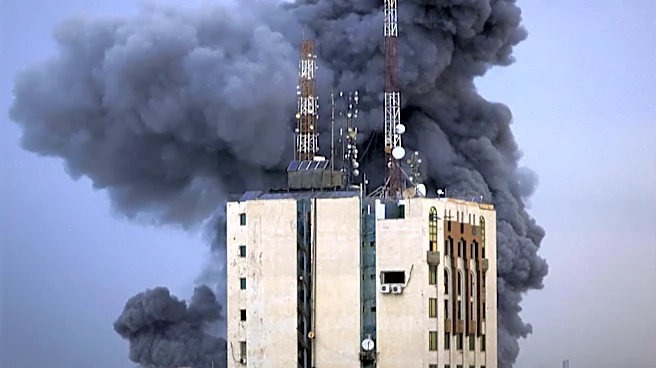
The New Zealand Embassy in Riyadh, Saudi Arabia, has issued updated travel advice for its citizens, emphasizing the volatile security situation in the Middle East. The advisory highlights the ongoing risk of military conflict, potential travel disruptions,
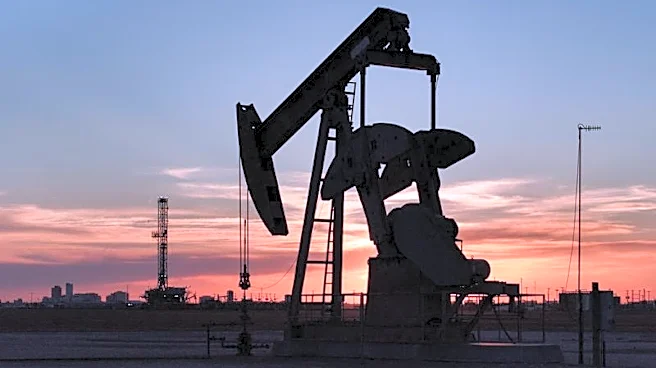
and airspace closures. New Zealanders are urged to maintain comprehensive travel insurance, including provisions for medical evacuation. The embassy also notes that Saudi Arabia does not recognize dual nationality, advising dual citizens to use the same passport for entry and exit. Specific warnings are in place regarding an increased threat of attacks against U.S.-linked locations and Israeli communities in the region, recommending avoidance of military bases, oil infrastructure, and diplomatic facilities. The advisory also addresses the residual threat of terrorism within Saudi Arabia and the fragility of the security situation along the Yemen border, despite a decrease in cross-border attacks since 2022. Public demonstrations and protests are illegal and should be avoided, with citizens advised to follow local authorities' guidance.
Why It's Important?
This updated travel advisory is important for U.S. citizens and interests due to the explicit mention of increased threats against U.S.-linked locations in the Middle East. The warning to avoid U.S. diplomatic facilities, military bases, and identifiable U.S. businesses underscores a heightened security concern that could impact American personnel, businesses, and travelers in Saudi Arabia and the broader region. The instability described, including potential military conflict and terrorism threats, could disrupt U.S. economic interests, particularly in the oil and critical infrastructure sectors. Furthermore, the advisory's emphasis on local laws and customs, such as the illegality of protests, highlights potential challenges for foreign nationals, including Americans, who may be unfamiliar with the strict legal framework in Saudi Arabia. The overall volatility could lead to broader regional instability, affecting international trade routes and global energy markets, which are critical to the U.S. economy.
What's Next?
New Zealand citizens in Saudi Arabia are advised to remain vigilant, monitor local media, and adhere to the advice of local authorities, including any shelter-in-place orders. The embassy will continue to provide updates, and travel advice levels could change at short notice depending on the evolving security situation. For those planning travel to the Middle East, continuous monitoring of local media and official advisories is crucial. The situation's unpredictability suggests that further security measures or travel restrictions could be implemented by various nations, including the U.S., to protect their citizens and assets in the region. Businesses with operations in Saudi Arabia or the Middle East may need to review and update their security protocols and contingency plans for their personnel and assets. The ongoing tensions could also prompt diplomatic efforts to de-escalate the situation, potentially involving international bodies or key regional players.
Beyond the Headlines
The updated travel advisory from the New Zealand Embassy reflects a broader pattern of heightened geopolitical risk in the Middle East, with significant implications beyond immediate travel concerns. The explicit warning about threats to U.S.-linked locations suggests a complex interplay of regional conflicts and anti-Western sentiment, which could fuel extremist activities. This situation could lead to a re-evaluation of foreign policy strategies by Western nations, including the U.S., regarding their engagement in the region. The emphasis on local laws and customs also highlights the cultural and legal challenges faced by expatriates and visitors, underscoring the importance of cultural sensitivity and adherence to local regulations to avoid legal complications. The long-term stability of critical infrastructure, particularly oil facilities, remains a concern, as disruptions could have ripple effects on global energy prices and economic stability. This ongoing volatility could also influence investment decisions and the flow of international capital into the region, impacting economic development and international partnerships.