





What's Happening?
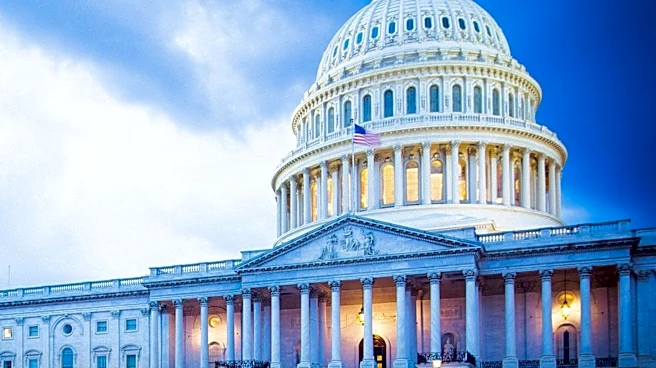
U.S. Rep. Mike Flood, a Republican from Nebraska, has urged the federal government to implement safeguards for artificial intelligence (AI) technology. According to The Hill, Rep. Flood emphasized the need to "get on top of it" to prevent AI from falling
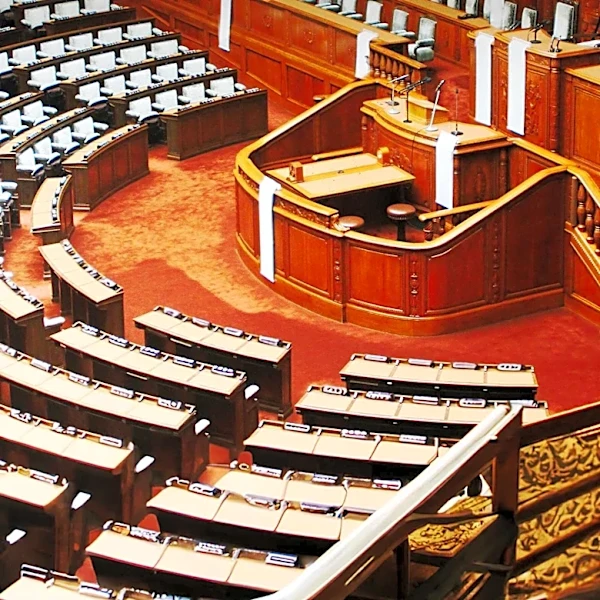
into the wrong hands. His call highlights growing concerns among lawmakers regarding the potential risks associated with advanced AI systems and the necessity for proactive measures to mitigate these dangers. This statement reflects a broader sentiment within Congress about the rapid development of AI and the imperative for regulatory frameworks to ensure its responsible deployment.
Why It's Important?
The push for federal AI safeguards by Rep. Flood is significant as it underscores the increasing recognition within U.S. politics of AI's transformative, yet potentially hazardous, capabilities. Without proper oversight, AI could pose risks to national security, privacy, and societal stability. Implementing safeguards could involve developing ethical guidelines, establishing regulatory bodies, or funding research into AI safety. Such measures would aim to protect critical infrastructure, prevent autonomous weapons proliferation, and ensure that AI development aligns with public interest. This initiative could influence future legislative efforts to regulate AI, impacting technology companies, research institutions, and various sectors that rely on AI applications.
What's Next?
Rep. Flood's call is likely to contribute to ongoing discussions and potential legislative actions in Congress regarding AI regulation. As AI technology continues to advance, more lawmakers may join the call for federal intervention, leading to the introduction of bills or the formation of specialized committees to address AI governance. The debate will likely involve balancing innovation with safety, and stakeholders from the tech industry, civil society, and government will need to collaborate to develop effective and comprehensive safeguards. Future steps could include public hearings, expert consultations, and the drafting of policy proposals aimed at establishing a robust framework for AI development and deployment.
Beyond the Headlines
The demand for AI safeguards touches upon profound ethical and societal questions. Beyond immediate security concerns, the unchecked proliferation of AI could exacerbate existing inequalities, lead to job displacement, or even challenge fundamental human rights if not guided by strong ethical principles. Rep. Flood's statement implicitly acknowledges these deeper implications, suggesting a need for a holistic approach that considers not only the technical aspects of AI safety but also its broader impact on human society. This initiative could spark a national conversation about the kind of future we want to build with AI, emphasizing human oversight and accountability in the age of intelligent machines.