



What's Happening?
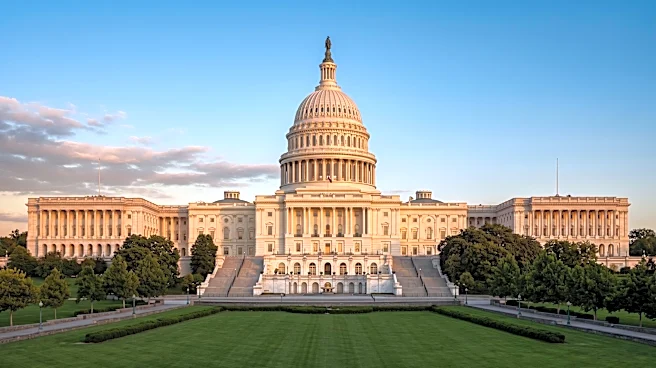
The House of Representatives has approved the Water Resources Development Act of 2026 (WRDA 2026) with a significant bipartisan vote of 415 to 9. The bill, championed by Representative Rick Larsen (D-Wash.), is a comprehensive measure designed to address
various water infrastructure priorities across the nation. These priorities include improvements to ports and waterways, flood management strategies, and ecosystem restoration projects. Specifically for Washington state, the bill incorporates provisions such as a new study to assess flood risks in the Nooksack River, modifications to debris-removal contracts following flood events, increased funding caps for projects within Puget Sound, and measures related to the Columbia River Treaty and invasive species prevention. The legislation also focuses on harbor maintenance, aiming to ensure the continued functionality and safety of critical maritime infrastructure.
Why It's Important?
The passage of WRDA 2026 is crucial for national infrastructure development and environmental protection. By investing in ports and waterways, the bill supports economic activity by facilitating trade and transportation, which are vital for various U.S. industries. Enhanced flood management provisions are essential for protecting communities and reducing the economic impact of natural disasters, safeguarding property and lives. Ecosystem restoration efforts contribute to environmental sustainability, preserving natural habitats and biodiversity, which can have long-term benefits for public health and local economies dependent on natural resources. The bipartisan support for this bill underscores a shared recognition of the importance of robust water infrastructure for national security, economic stability, and environmental resilience. The specific provisions for Washington state highlight the localized impact of such federal legislation, addressing unique regional challenges.
What's Next?
Following its passage in the House, WRDA 2026 will now move to the Senate for consideration. Representative Larsen has expressed his hope that the Senate will take up the bill promptly, aiming for its enactment into law. The legislative process in the Senate may involve further debate, amendments, and committee reviews before a final vote. If passed by the Senate, the bill would then proceed to the President for signature. The successful enactment of WRDA 2026 would trigger the implementation of its various provisions, leading to new studies, infrastructure projects, and funding allocations across the country, with specific impacts on the identified areas in Washington state. Stakeholders, including local governments, environmental groups, and maritime industries, will likely monitor its progress closely.
Beyond the Headlines
The consistent passage of Water Resources Development Acts every two years reflects a broader federal commitment to maintaining and upgrading critical water infrastructure, often transcending partisan divides. This legislative rhythm ensures ongoing attention to the nation's waterways, flood defenses, and ecological systems, which are fundamental to both economic prosperity and environmental health. The inclusion of specific regional projects, like those for the Nooksack River and Puget Sound, illustrates the federal government's role in addressing localized environmental and infrastructure challenges that may have broader national implications. This continuous investment also highlights the evolving understanding of climate change impacts, with provisions for flood risk management and ecosystem restoration becoming increasingly vital in adapting to changing environmental conditions and ensuring long-term resilience.