





What's Happening?
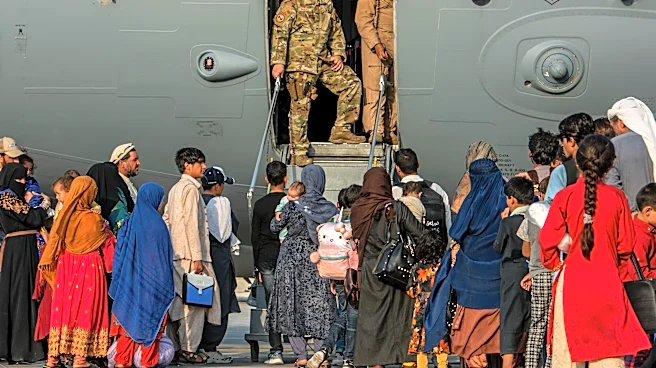
On April 17, the U.S. government deported 15 individuals from Colombia, Ecuador, and Peru to Kinshasa, the capital of the Democratic Republic of Congo (DRC). This action is part of a secretive migration agreement brokered with the Trump administration.
The deportees, who were unaware of their final destination until they were on the plane, are now in a precarious situation in a country unfamiliar to them. They face challenges such as language barriers, lack of resources, and health risks, including exposure to yellow fever and malaria. Despite ongoing legal cases in the U.S. regarding their right to remain, these individuals were deported, raising concerns about the fairness and transparency of the deportation process.
Why It's Important?
This development highlights the complexities and controversies surrounding U.S. immigration policies, particularly under the Trump administration. The deportation of individuals to a country with ongoing conflict and economic challenges raises ethical and humanitarian concerns. The situation underscores the potential human rights implications of deportation agreements, especially when individuals are sent to countries where they face significant risks. The lack of transparency in the U.S.-Congo migration deal and the potential for similar agreements with other countries could have broader implications for international relations and the treatment of migrants globally.
What's Next?
The future for the deportees remains uncertain as they navigate life in a country where they have no ties. The Congolese government has stated that the migrants will only stay temporarily, with the U.S. covering the costs. However, details about the duration of their stay and their eventual fate remain unclear. The situation has sparked protests in Kinshasa, with local opposition to hosting foreign deportees. The U.S. State Department has not commented on the specifics of the deal, leaving many questions unanswered about the long-term implications for both the deportees and the host country.
Beyond the Headlines
The deportation deal with Congo is part of a broader strategy by the Trump administration to manage immigration through agreements with third countries. This approach raises questions about the ethical responsibilities of nations in handling deportees and the potential for such policies to exacerbate existing conflicts and humanitarian crises in host countries. The situation also highlights the need for international cooperation and dialogue to address the root causes of migration and ensure the protection of human rights for all individuals involved.