






What's Happening?
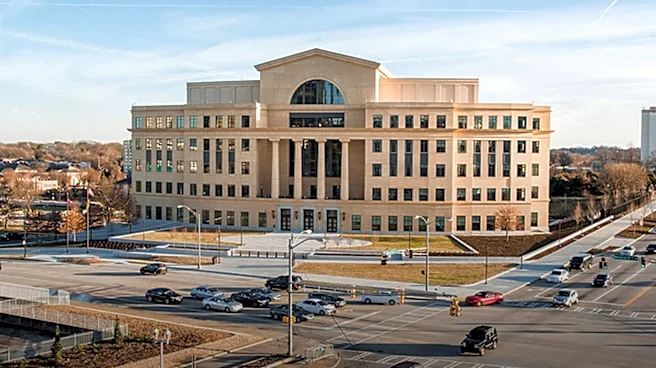
A search warrant granted by federal Magistrate Judge Richard Bennett on July 14 for the vehicle of Lorenzo Salgado Araujo, who was fatally shot by an ICE officer, revealed that the contents of bags found in the vehicle tested negative for drugs. The warrant was issued
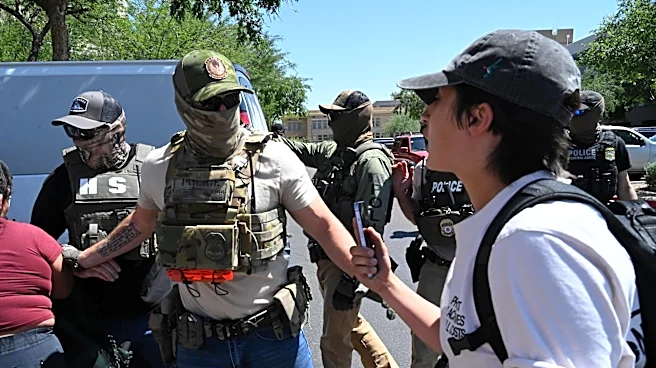
after FBI Special Agent David McNeilly described the contents as consistent with methamphetamine. However, lab results announced by the Harris County District Attorney's Office on July 24 confirmed that the substance was not narcotic. Salgado Araujo was killed during a traffic stop on July 7, and the incident has raised questions about the transparency of the investigation. The Department of Homeland Security stated that Salgado Araujo was not the intended target and alleged he attempted to evade arrest. Witnesses, however, dispute this account, claiming he posed no threat.
Why It's Important?
This development is significant as it highlights potential issues in the transparency and accuracy of federal investigations, particularly those involving ICE. The case has sparked discussions about the use of search warrants and the potential for mischaracterization of evidence. The incident also underscores the ongoing debate over ICE's enforcement practices and their impact on immigrant communities. The revelation that the substance was not a drug could influence public perception and trust in federal law enforcement agencies, potentially leading to calls for policy changes or increased oversight.
What's Next?
The Harris County District Attorney's Office has stated that it will not comment further on the test results due to the ongoing investigation. The lab results are expected to be made public on July 27. The case may lead to further scrutiny of ICE's operations and the procedures followed during such incidents. Civil rights organizations, such as the League of United Latin American Citizens, have already questioned the fairness and transparency of the investigation, which could prompt further legal and political actions.
Beyond the Headlines
The case raises broader ethical and legal questions about the use of force by federal officers and the potential for racial profiling in immigration enforcement. The lack of body camera footage during the incident adds to the complexity of the investigation, highlighting the need for accountability and transparency in law enforcement practices. The incident may also influence future legislative discussions on immigration policy and law enforcement oversight.